
2-euro coins of Belgium
Country information
The territory of present-day Belgium formed part of the heartland of the Frankish Empire in the early Middle Ages. The Flemish cities of Bruges, Ghent and Antwerp developed into the commercial centres of Europe from the 12th and 13th centuries onwards. Belgium endured centuries of foreign rule before achieving independence as a kingdom in 1830. Brussels, the capital, is home to most of the European Union's institutions as well as NATO headquarters.
Mintmarks & mints
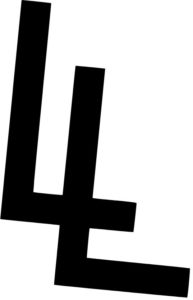 | "LL" are the initials of artist Luc Luycx. He designed both the 2-euro reverse side and several of the country's 2-euro commemorative coins. |
|---|---|
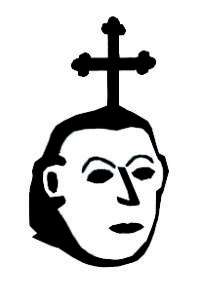 | Archangel Michael – mintmark of the Belgian mint. All 2-euro commemorative coins and circulation coins from 2008 onwards carry this mark. |
| B | Country identifier used on the 2-euro commemorative coin of 2006. |
| BE | The new ISO-standard country identifier, found on Belgian circulation coins since 2008 and commemorative coins since 2009. |
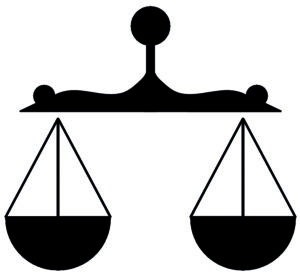 | Scales – mint master mark of Belgian Mint Master Romain Coenen (1999–2009). Mint Master Serge Lessens (since 2009) used the same mark. All 2-euro commemorative coins and circulation coins from 2009 onwards carry this mark. |
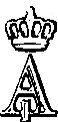 | The royal monogram of Albert II is found on all Belgian circulation coins and on the 2-euro commemorative coin of 2005. |
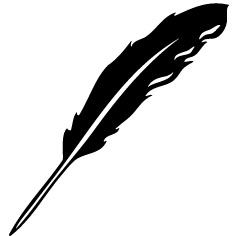 | Feather – mint master mark of Belgian Mint Master Serge Lesens (2009–2012). All 2-euro commemorative coins and circulation coins from 2009 onwards carry this mark. |
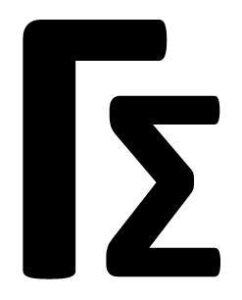 | Georgios Stamatopoulos – initials of the coin designer for the joint 2-euro commemorative coin 2009. |
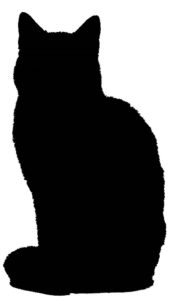 | Cat – mint master mark of Belgian Mint Master Bernard Gillard (2013–2016). All 2-euro commemorative coins and circulation coins from 2013 onwards carry this mark. |
 | Arrow on shield – mint master mark of Belgian Mint Mistress Ingrid van Herzele (2017–2022). All 2-euro commemorative coins and circulation coins from 2017 onwards carry this mark. |
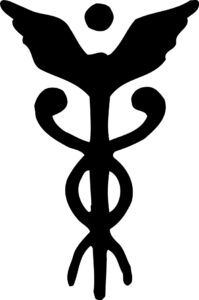 | Belgian coins (since 2018) bear the caduceus of the Royal Dutch Mint in Utrecht (KNM). The KNM won the contract to produce Belgian euro coins and will mint them there for the next four years. |
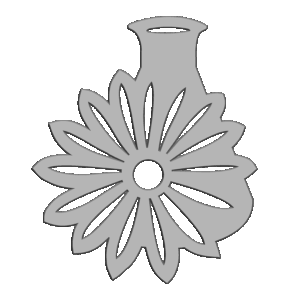 | Aster flower & Erlenmeyer flask – mint master mark of Belgian Mint Master Giovanni Van de Velde (since 2022). All 2-euro commemorative coins and circulation coins from 2023 onwards carry this mark. |
Further information
Belgium began producing its euro coins on 7 December 1998 in Brussels. Due to the rivalry between the Dutch-speaking region of Flanders and the French-speaking region of Wallonia, Belgian euro coins feature either no inscriptions at all, a neutral country identifier, or the country name in all three official languages — Dutch, French and German.
Series from Belgium
News from Belgium
- 2026 €2 Commemorative Coin "200 Years of the Royal Observatory of Belgium and 50 Years of the National Geographic Institute": Belgium Unveils Design and Officially Issues the Coin 25 September 2026
- Belgium Issues First 2-Euro Commemorative Coin 2026 "100 Years of Belgian National Railways NMBS/SNCB" 15 June 2026
- Design of Belgium's First 2-Euro Commemorative Coin 2026 "100 Years of Belgian National Railways SNCB" Revealed 29 May 2026
- Theme of Belgium's Second 2-Euro Commemorative Coin 2026 "50 Years of the National Geographic Institute and 200 Years of the Royal Observatory of Belgium" Announced 25 March 2026
- Theme of Belgium's First 2-Euro Commemorative Coin 2026 "100 Years of Belgian National Railways SNCB" Announced 19 March 2026
All issues
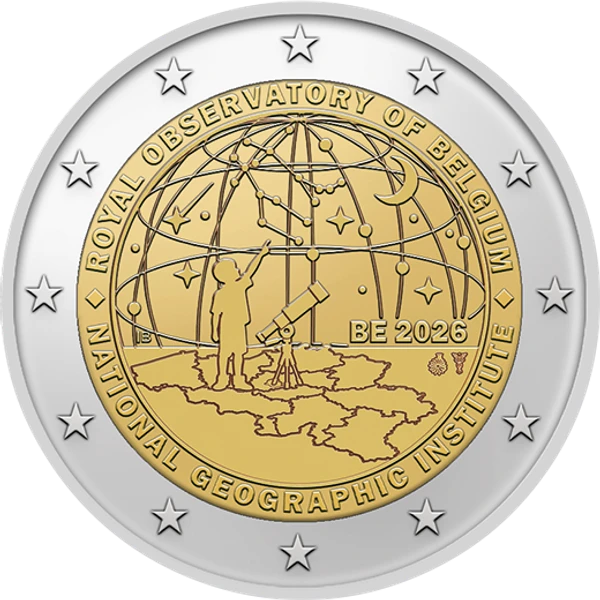
200 Years of the Royal Observatory of Belgium and 50 Years of the National Geographic Institute
Commemorative coin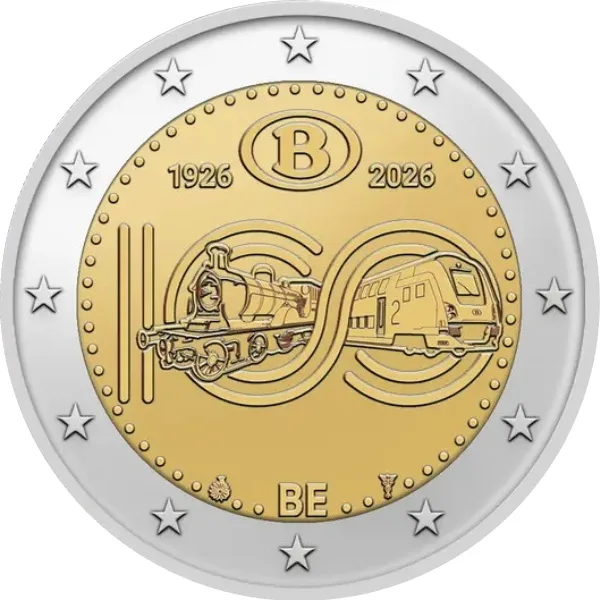
100 Years of Belgian Railways (NMBS / SNCB)
Commemorative coin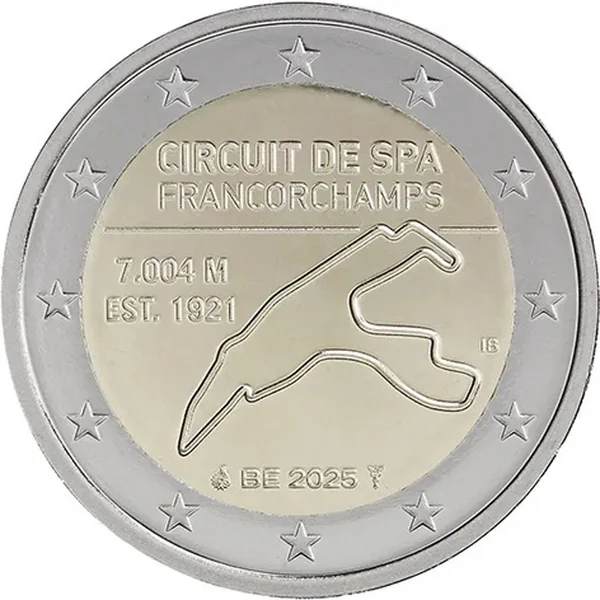
Spa-Francorchamps Racing Circuit
Commemorative coin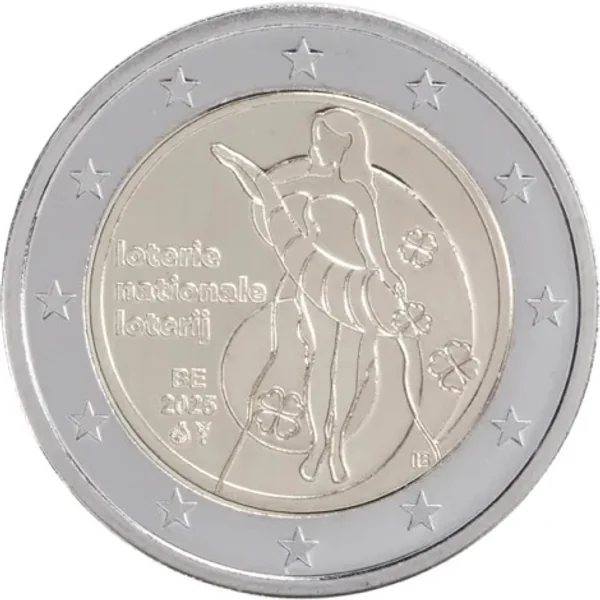
90 Years of the National Lottery
Commemorative coin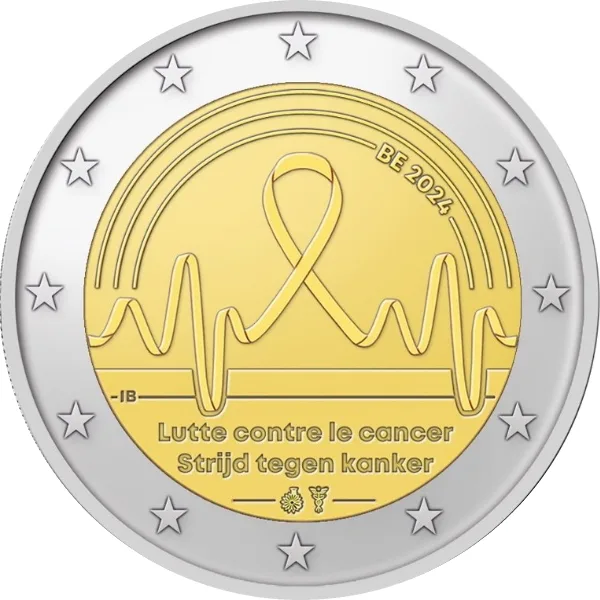
The Fight Against Cancer
Commemorative coin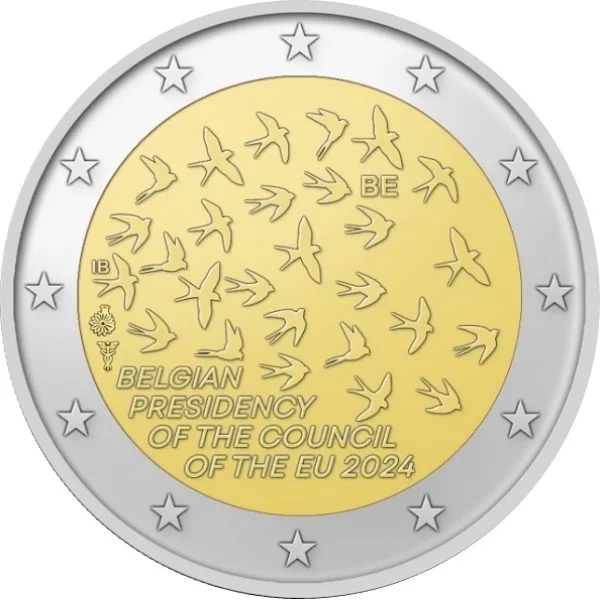
EU Council Presidency Belgium 2024
Commemorative coin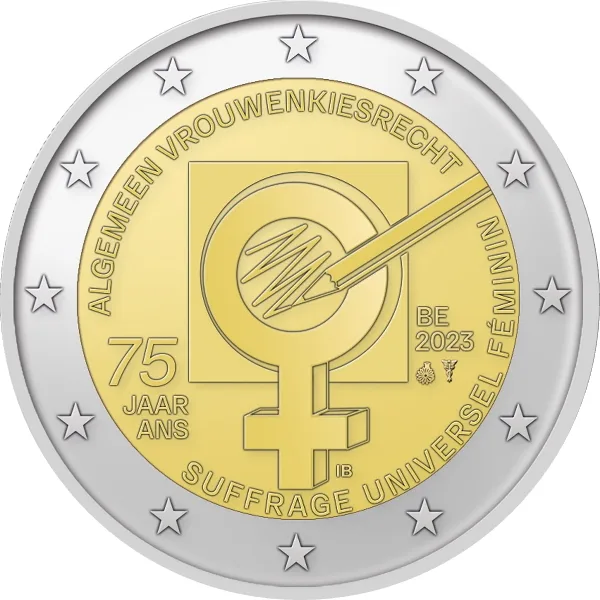
75 Years of Women's Suffrage in Belgium
Commemorative coin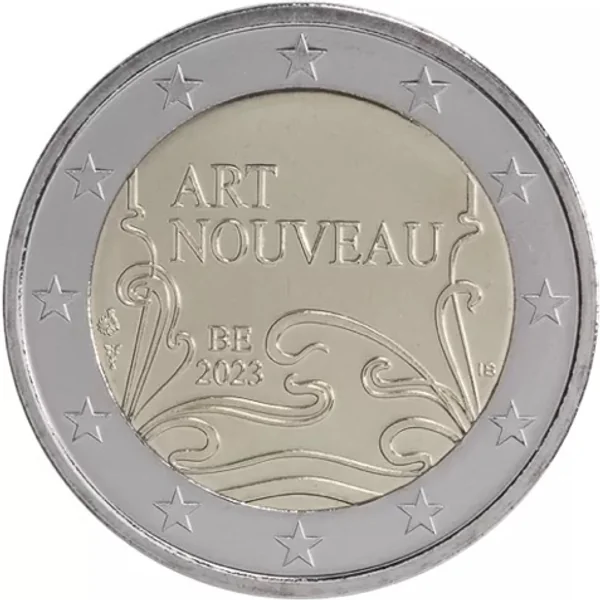
Art Nouveau in Brussels
Commemorative coin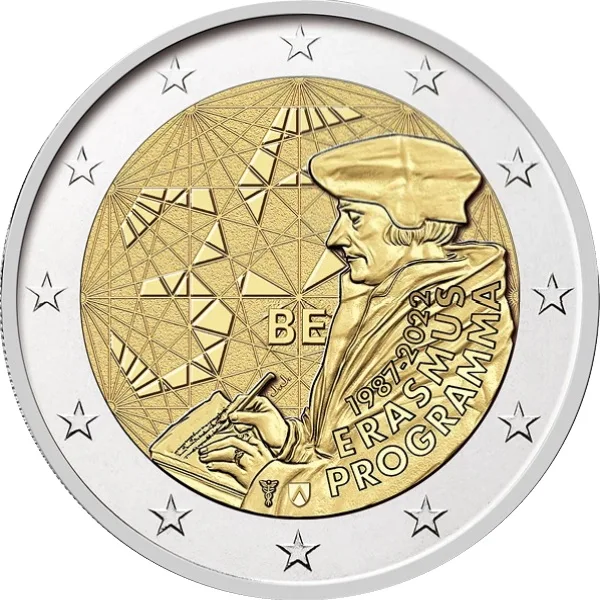
35 Years of the Erasmus Programme
Commemorative coin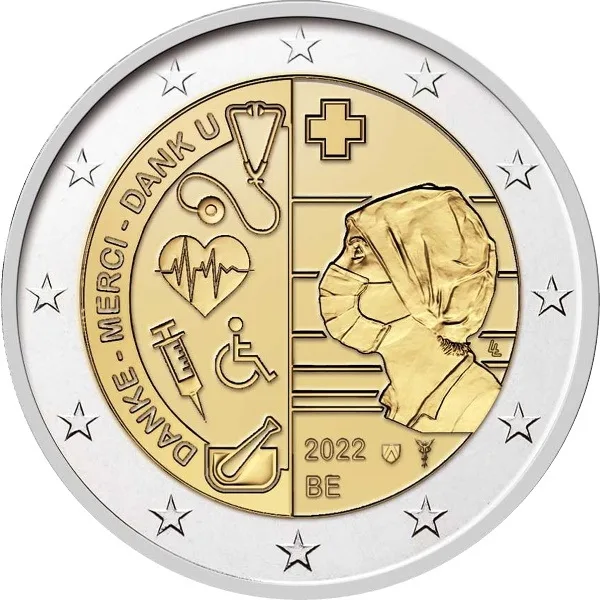
Healthcare
Commemorative coin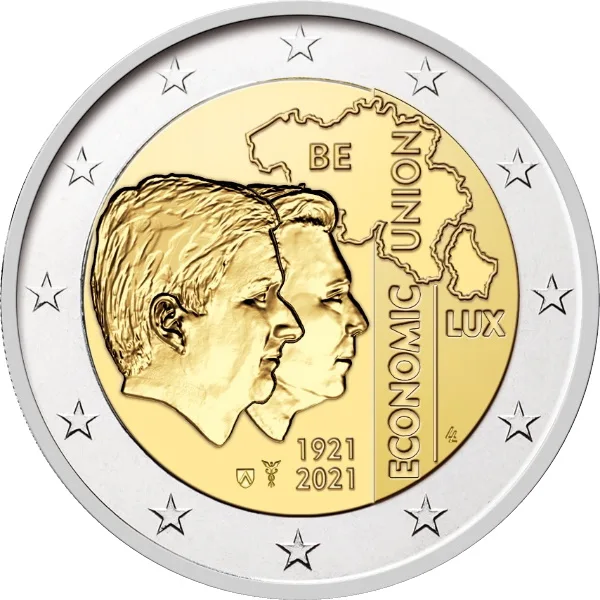
100 Years of the Economic Union with Luxembourg
Commemorative coin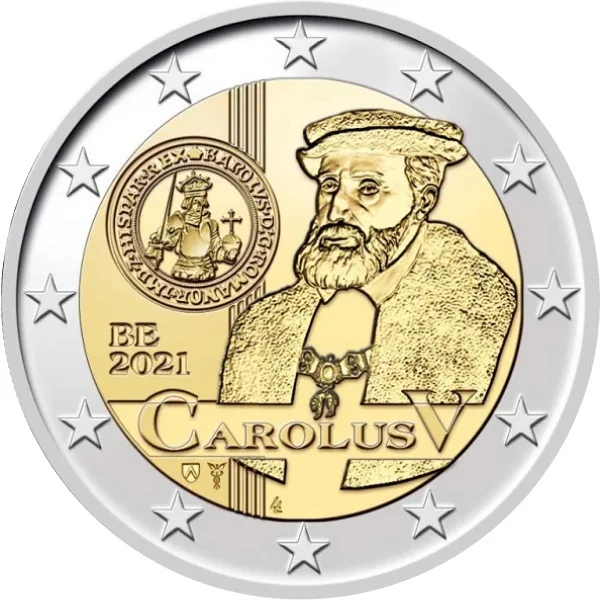
500 Years of the Carolus Guilder
Commemorative coin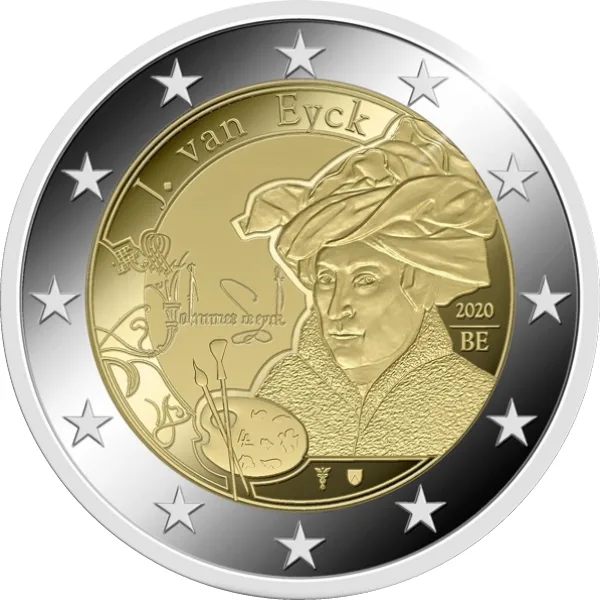
Jan van Eyck
Commemorative coin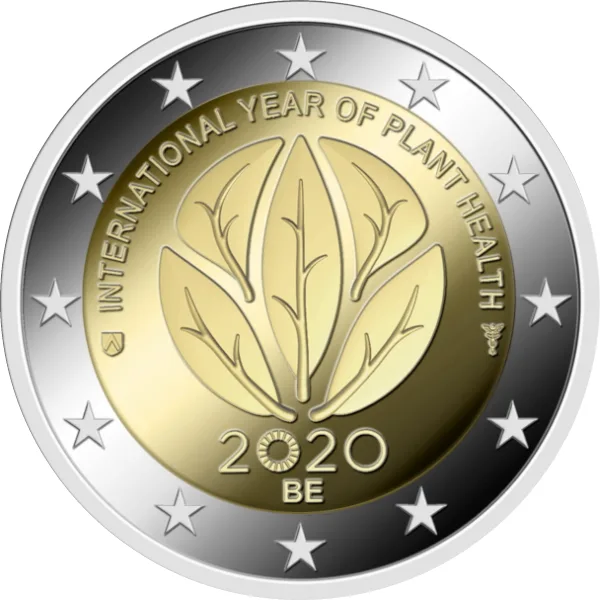
International Year of Plant Health
Commemorative coin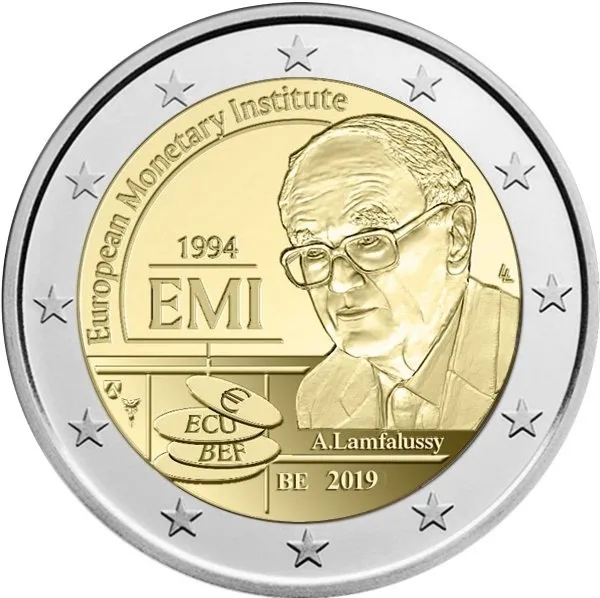
25 Years of the Founding of the European Monetary Institute
Commemorative coin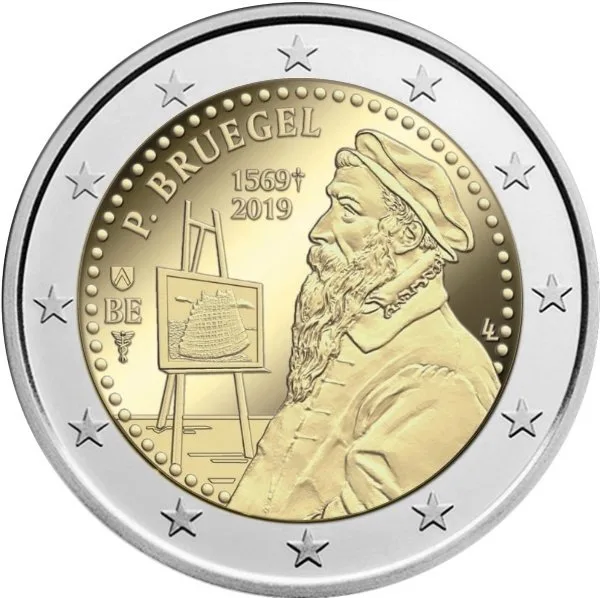
450th Anniversary of the Death of Pieter Bruegel the Elder
Commemorative coin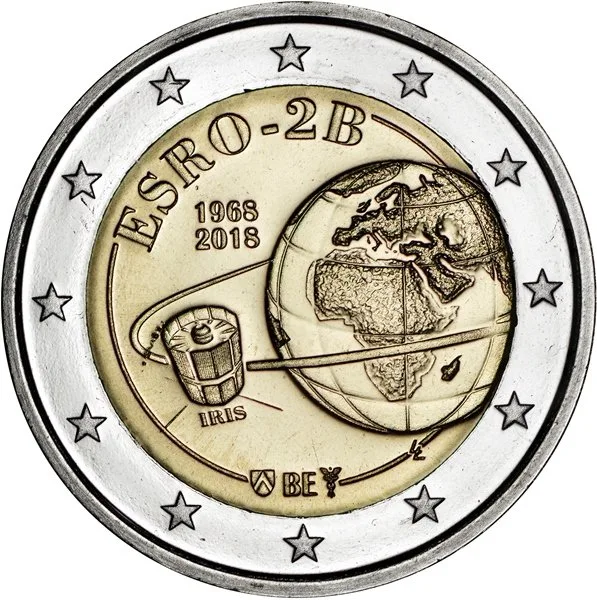
50 Years of the European Satellite ESRO-2B (Iris)
Commemorative coin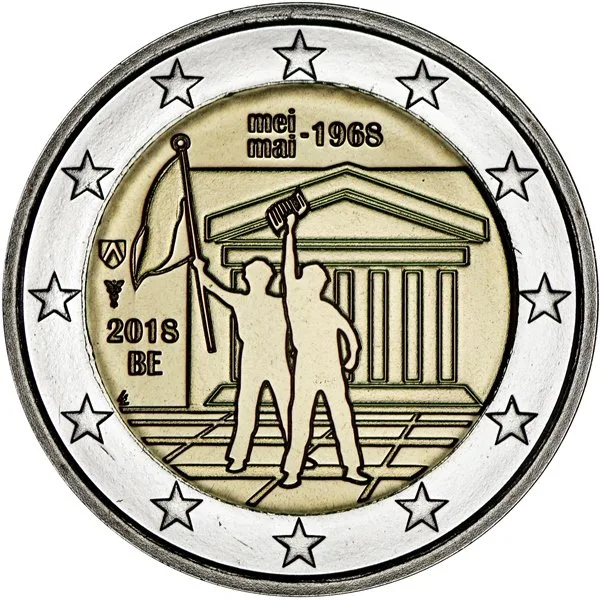
50 Years of the 1968 Student Revolt
Commemorative coin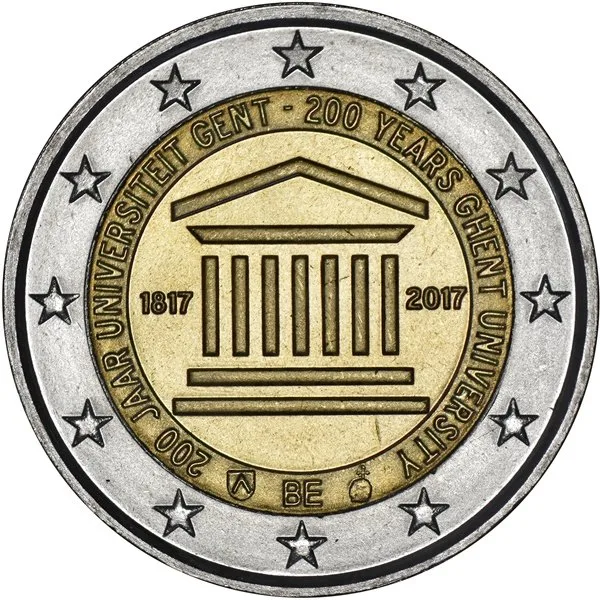
200 Years of Ghent University
Commemorative coin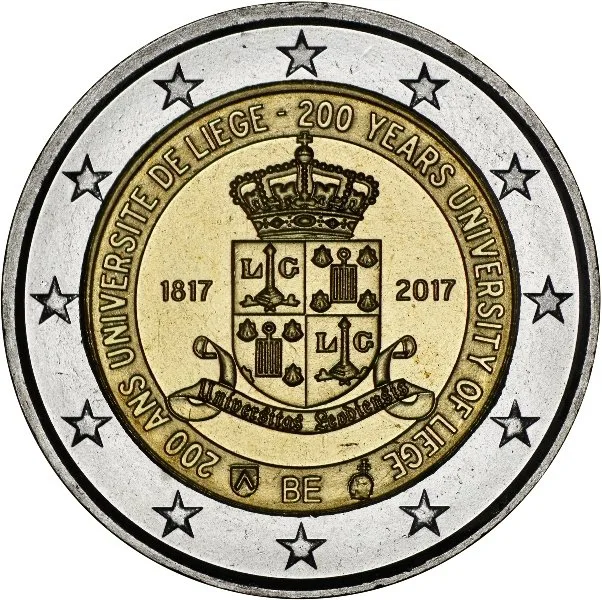
200 Years of the University of Liège
Commemorative coin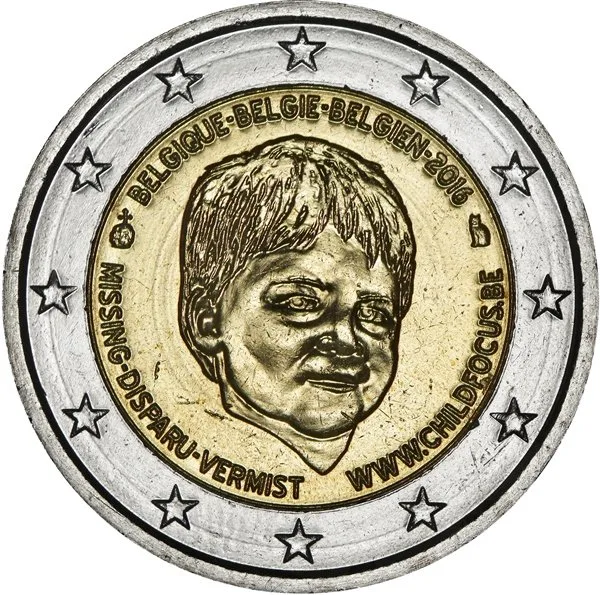
Child Focus
Commemorative coin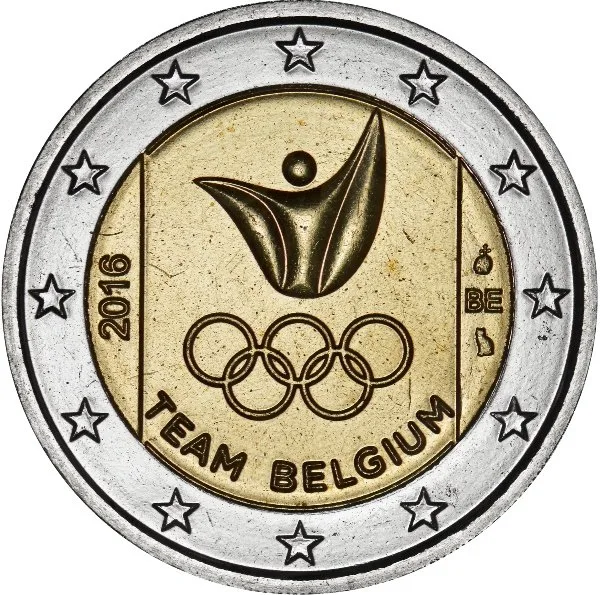
2016 Olympic Games in Rio de Janeiro
Commemorative coin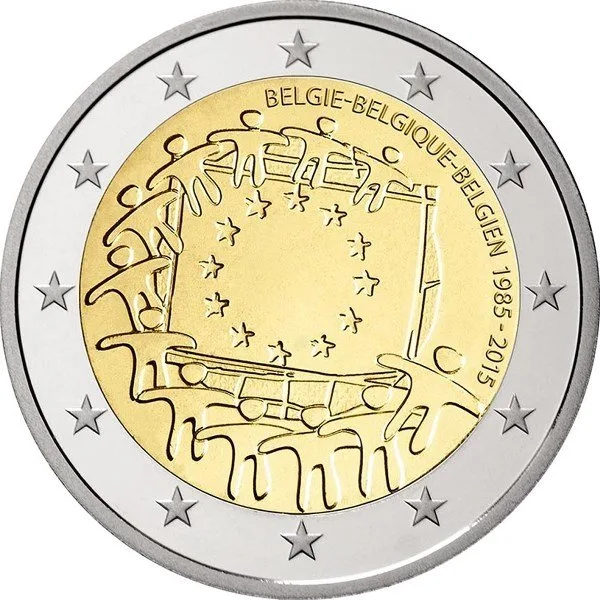
30 Years of the European Flag
Commemorative coin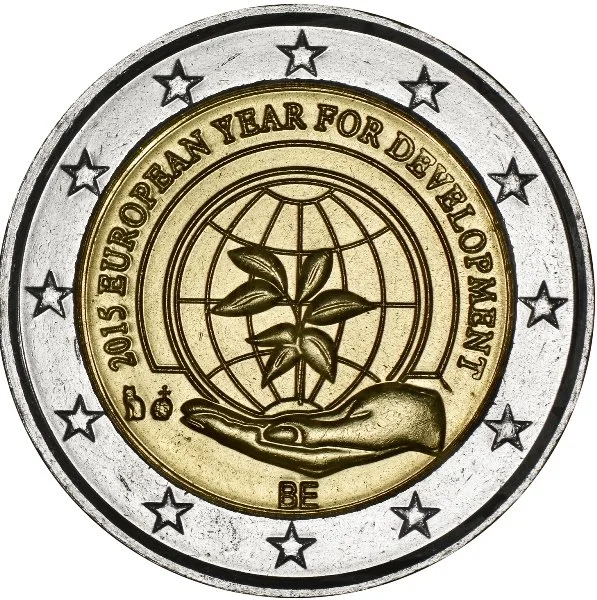
European Year for Development
Commemorative coin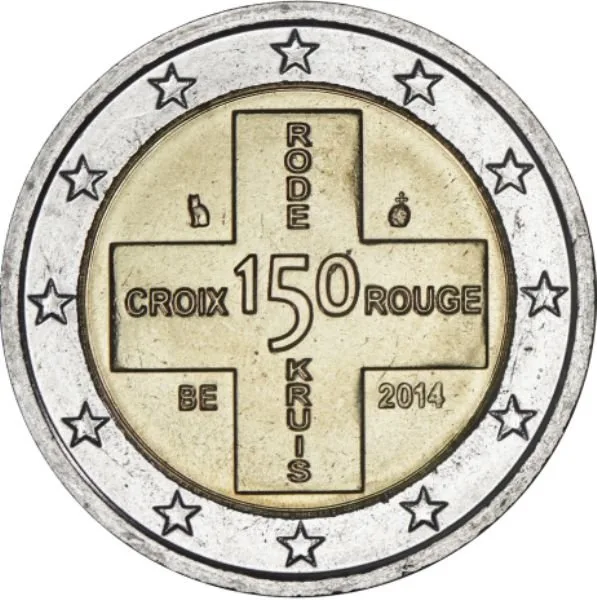
150 Years of the Red Cross
Commemorative coin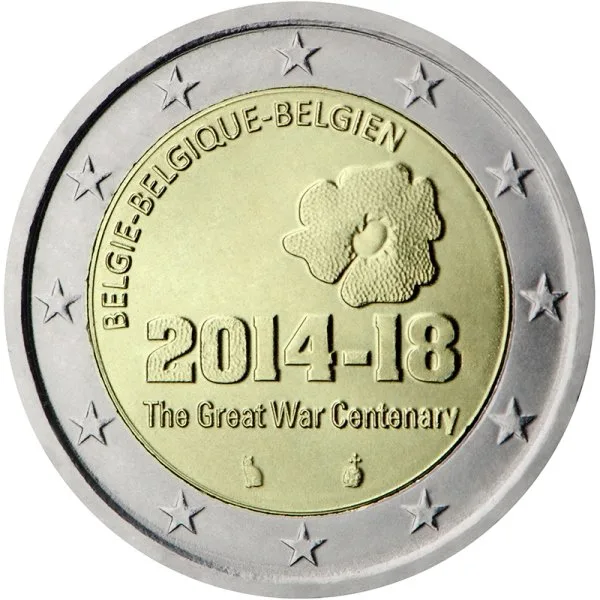
100 Years of the First World War
Commemorative coin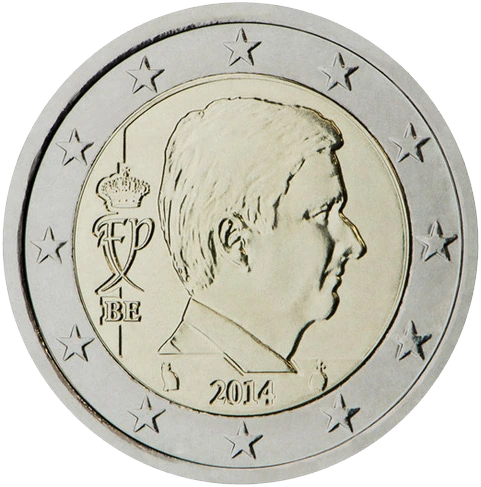
King Philippe
Circulation coin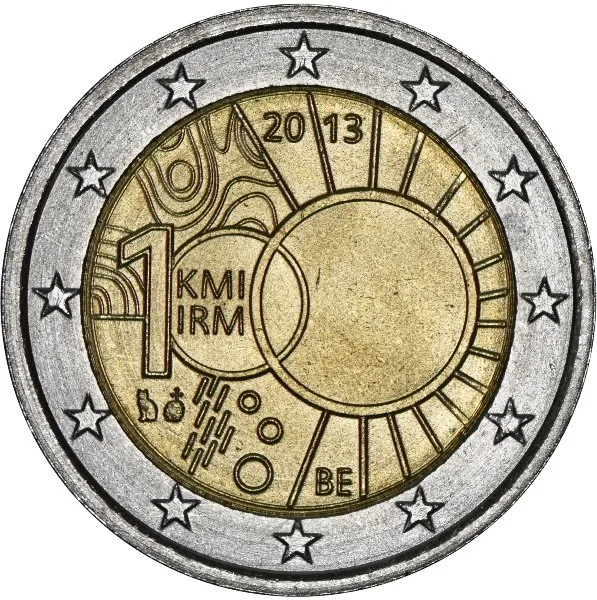
100 Years of the Royal Meteorological Institute
Commemorative coin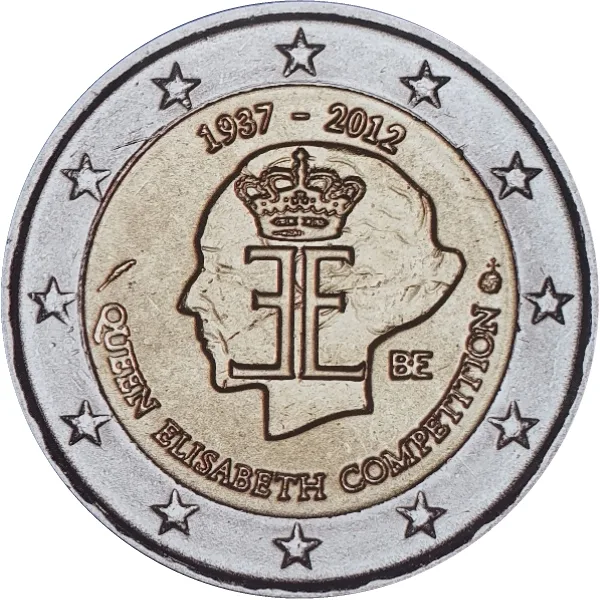
75 Years of the Queen Elisabeth Music Competition
Commemorative coin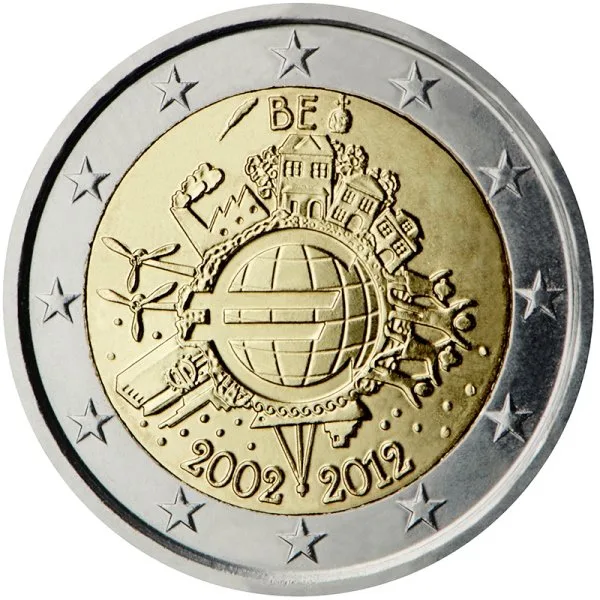
10 Years of Euro Banknotes and Coins
Commemorative coin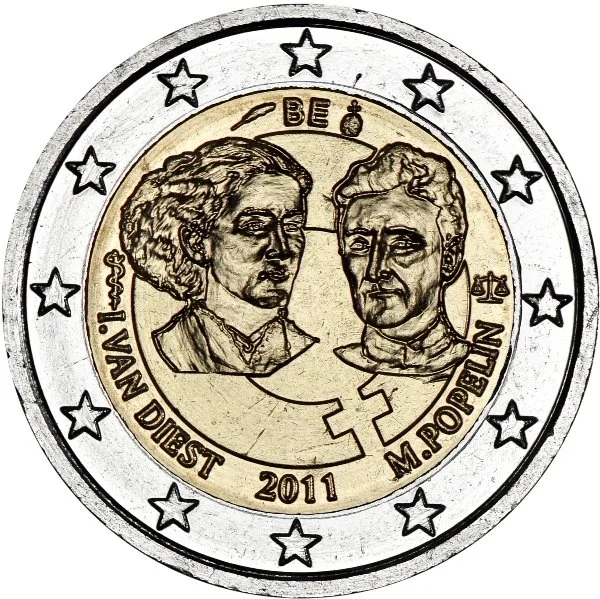
100 Years of International Women's Day
Commemorative coin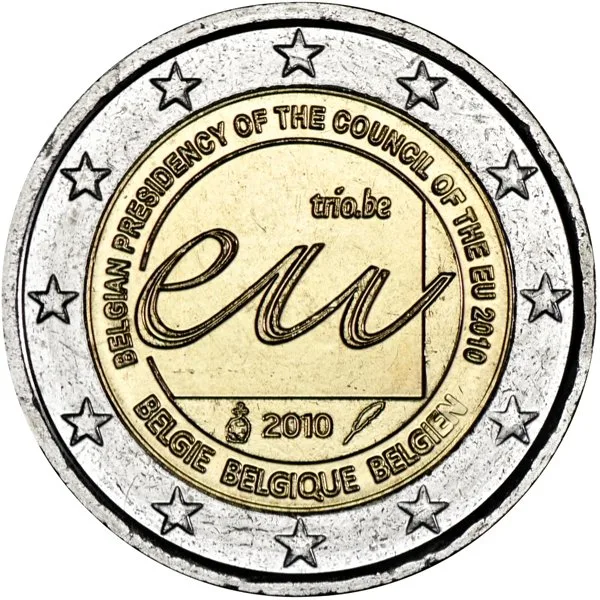
EU Council Presidency Belgium 2010
Commemorative coin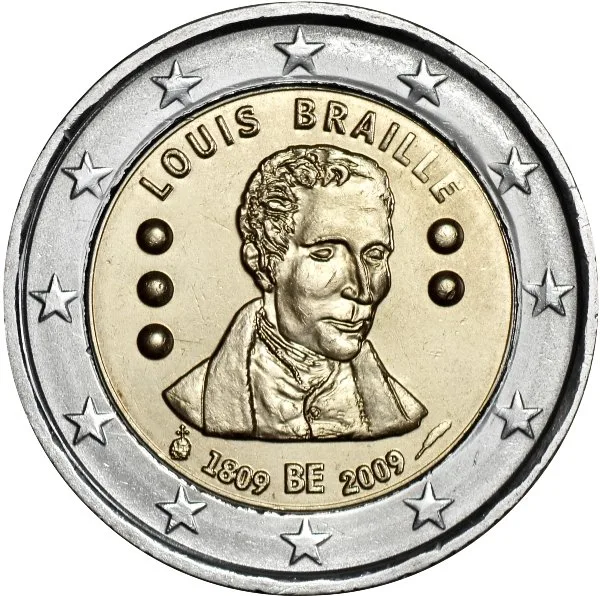
200th Birthday of Louis Braille
Commemorative coin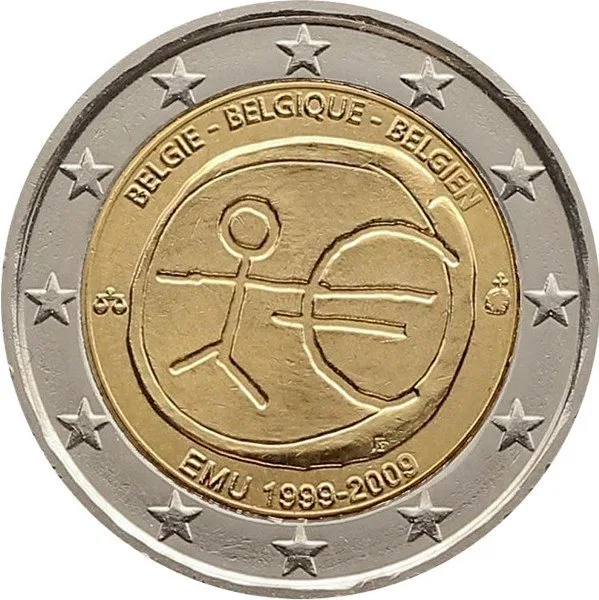
10 Years of Economic and Monetary Union
Commemorative coin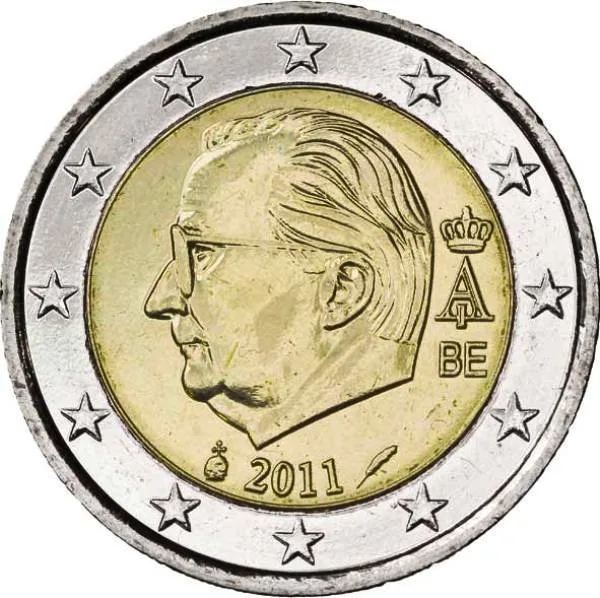
King Albert II (2009 - 2013)
Circulation coin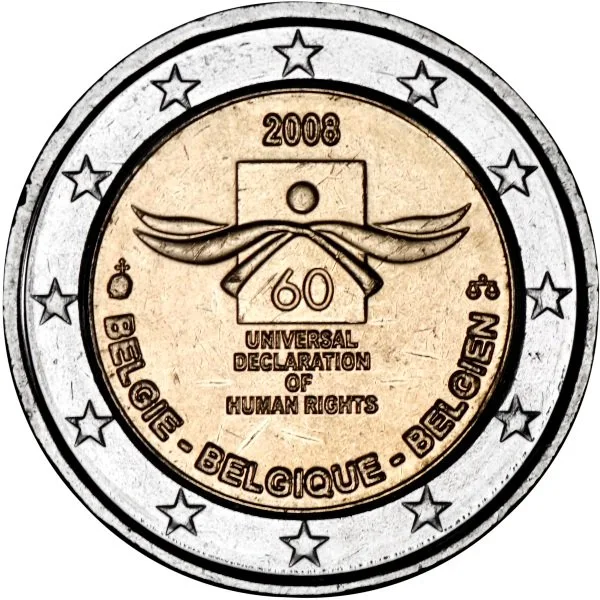
60 Years of Human Rights
Commemorative coin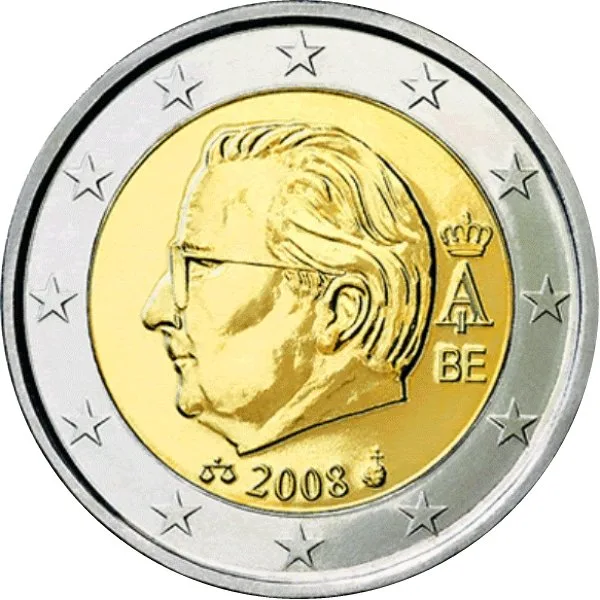
King Albert II (2008)
Circulation coin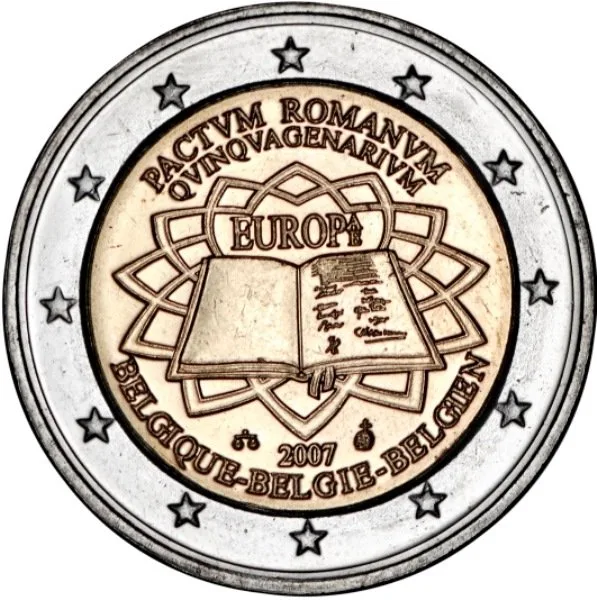
50 Years of the Treaty of Rome
Commemorative coin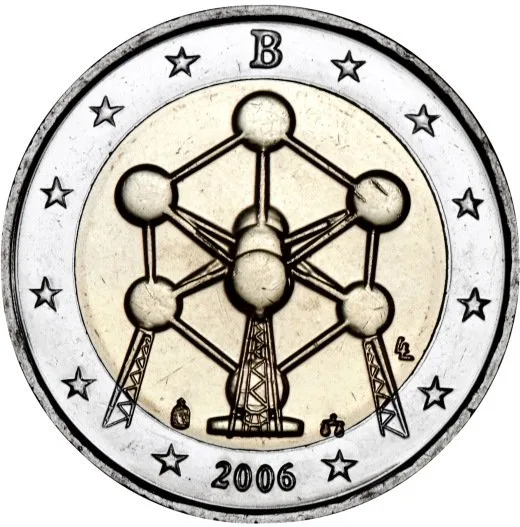
Reopening of the Atomium
Commemorative coin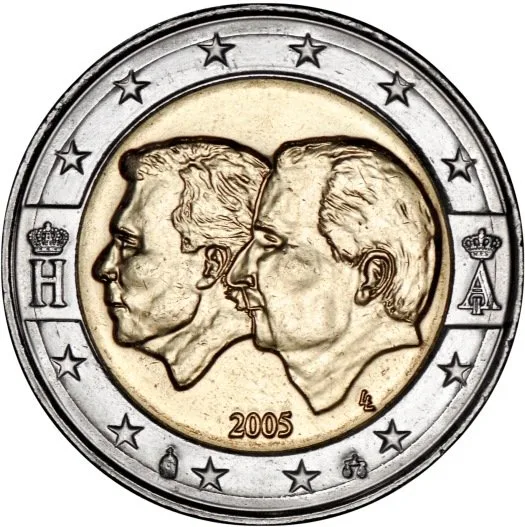
Economic Union with Luxembourg
Commemorative coin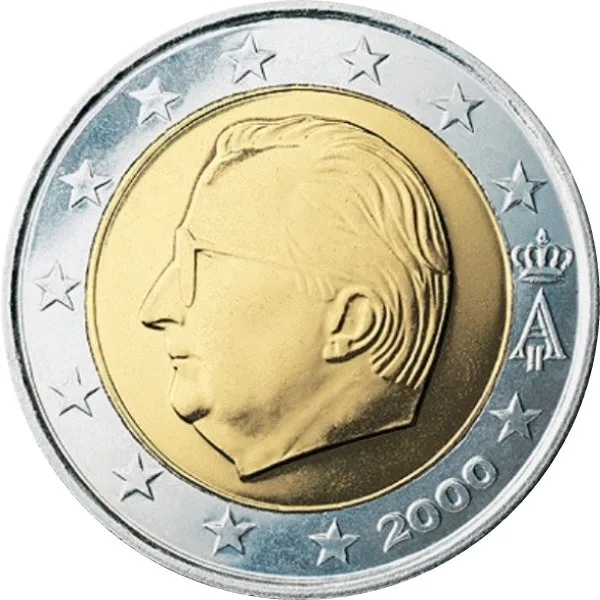
King Albert II (1999–2007)
Circulation coinIs a 2-euro coin from Belgium worth anything?
Most 2-euro coins from Belgium are worth their 2-euro face value – only a few low-mintage issues or coins in top condition fetch more. Check your Belgian coin by motif, year and rarity: