
2-euro coins of Europe
Seat of the institutions
Brussels · Strasbourg
Population
≈ 446,000,000
Area
4,132,796 km²
Official languages
24
Currency
Euro – since 2002
Euro countries
25
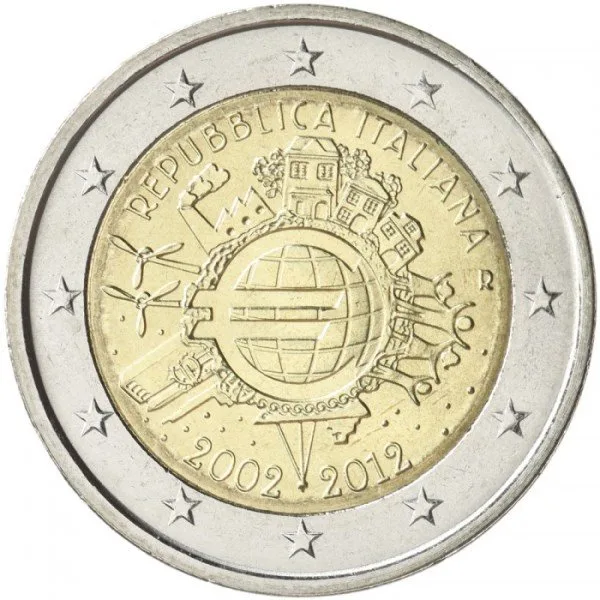
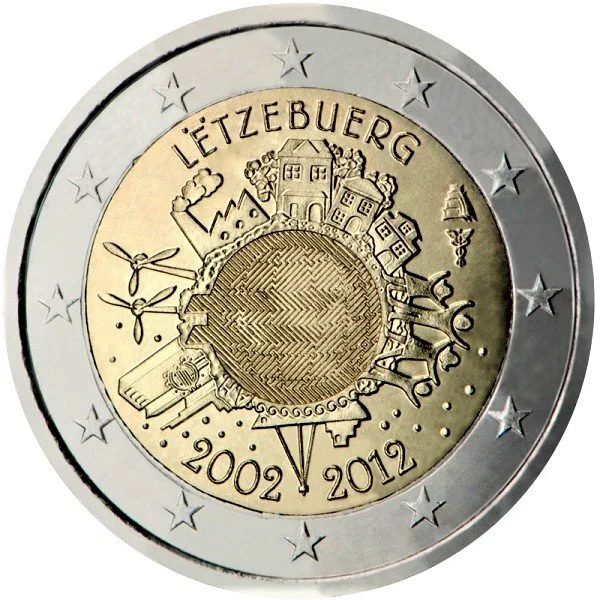
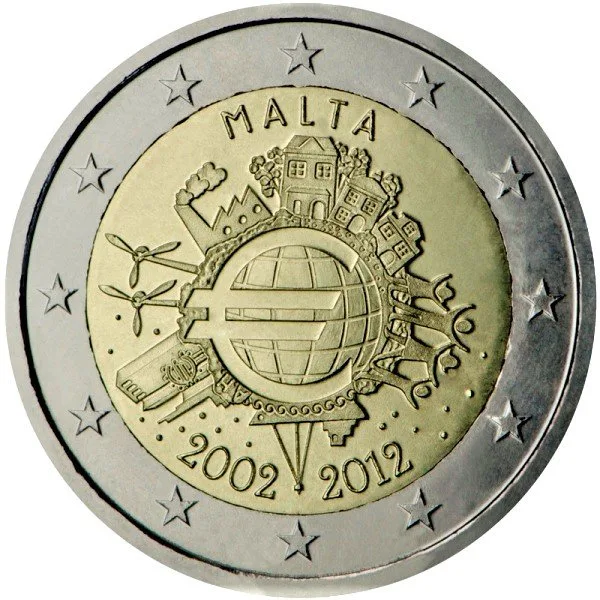
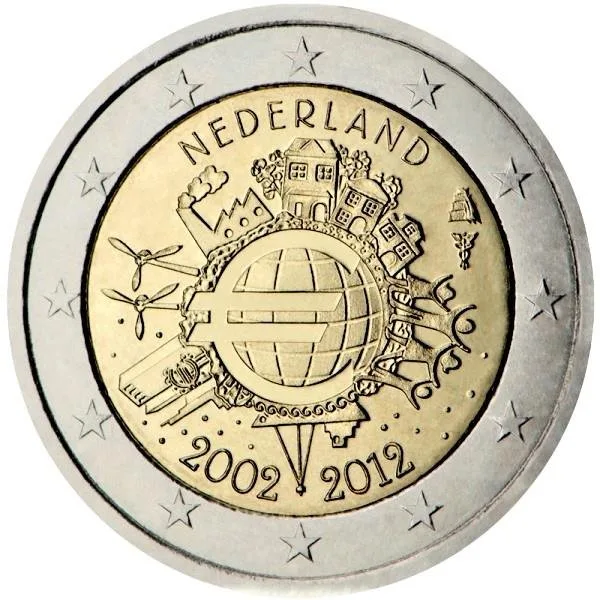
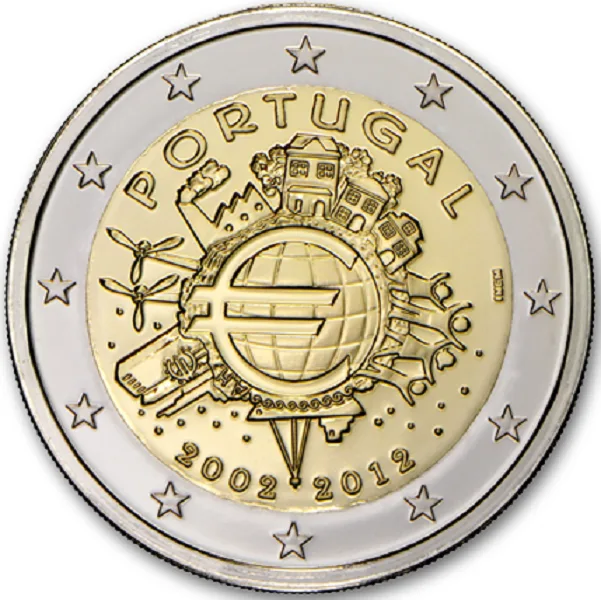
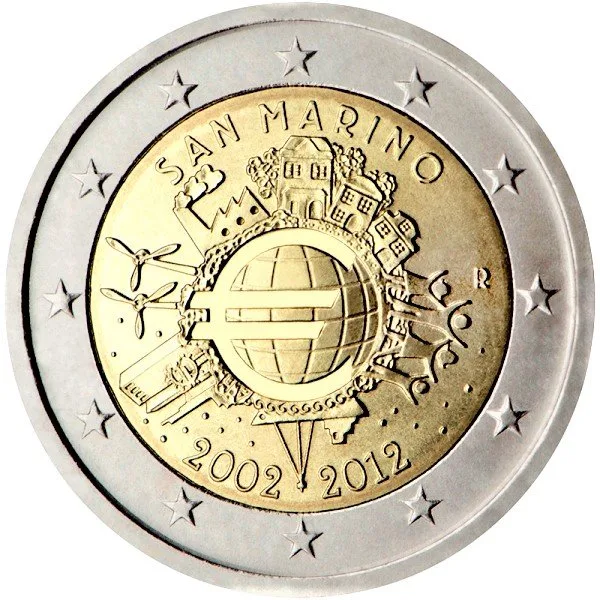
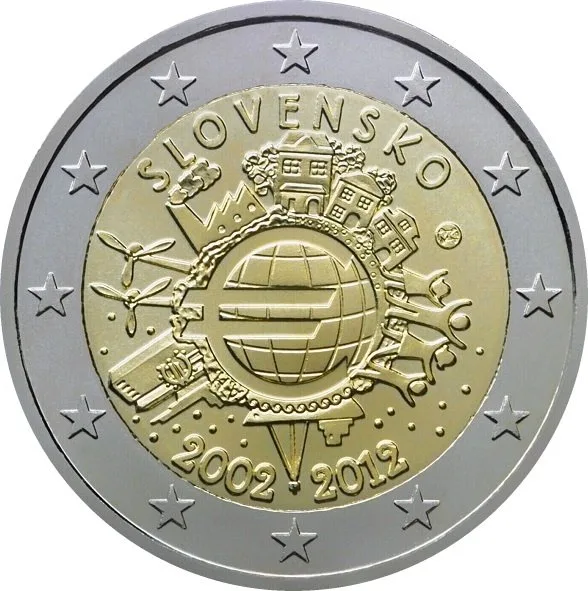
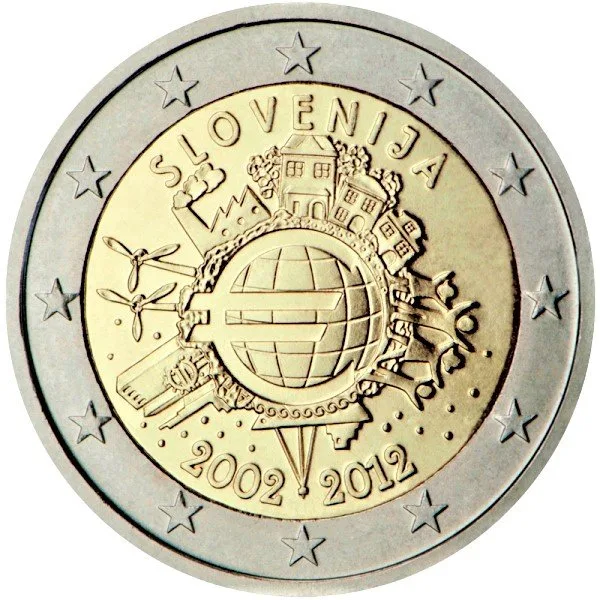
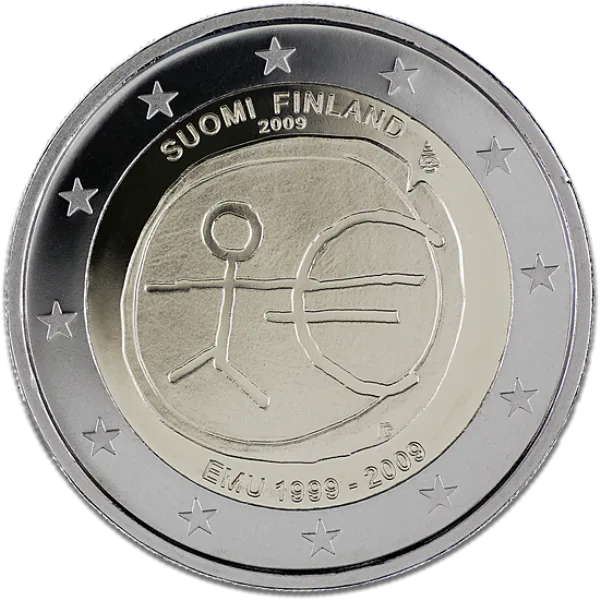
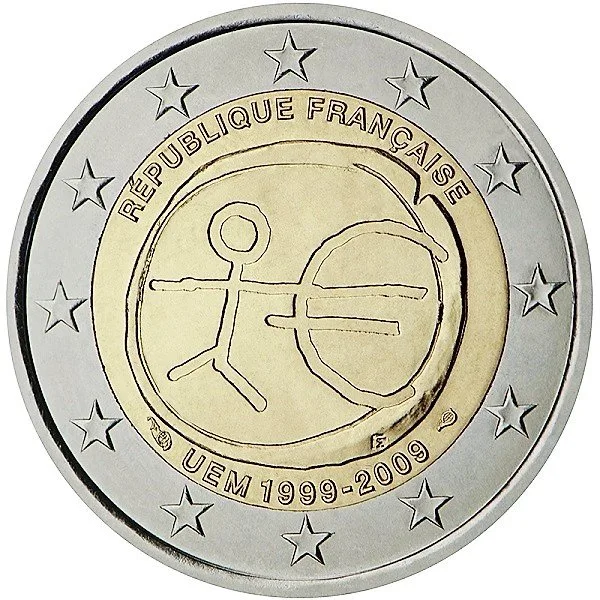
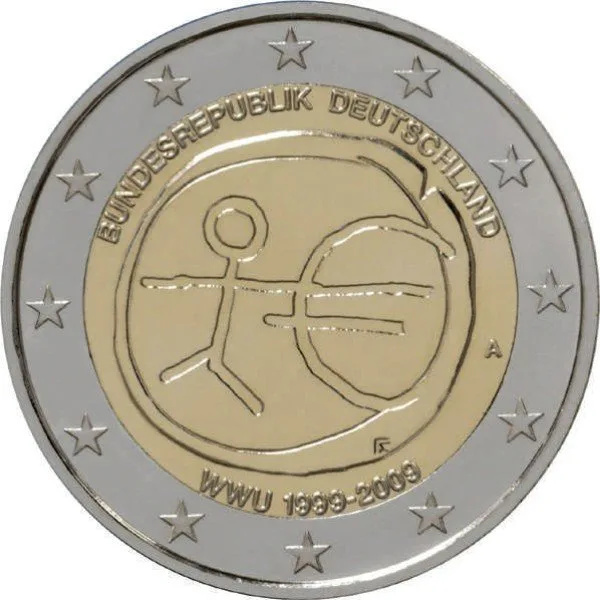
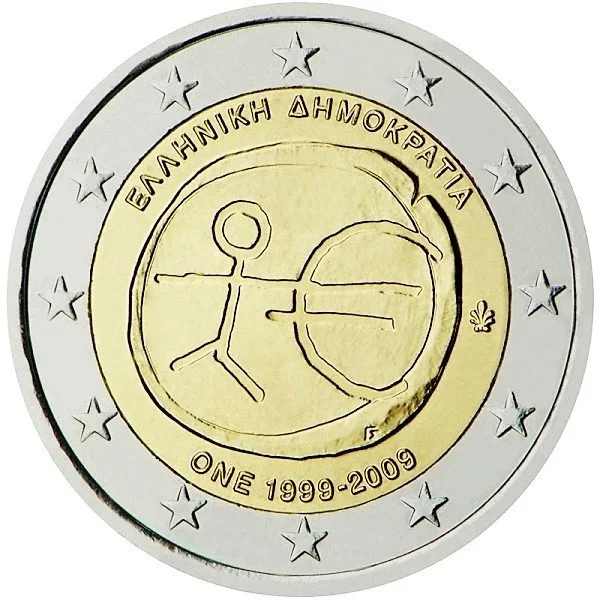
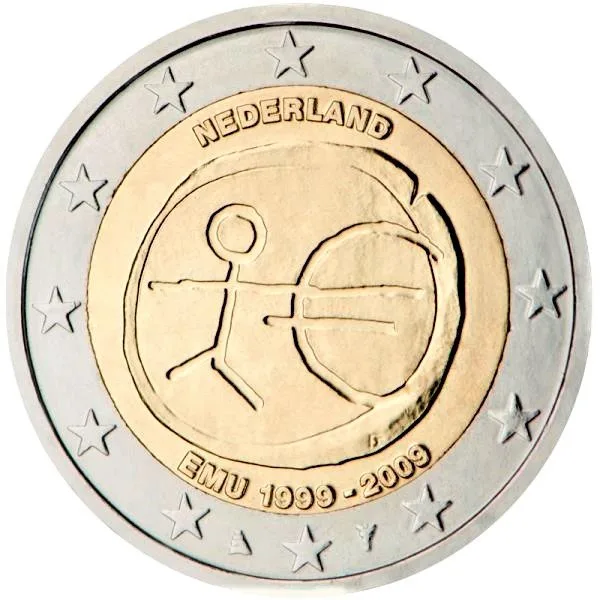
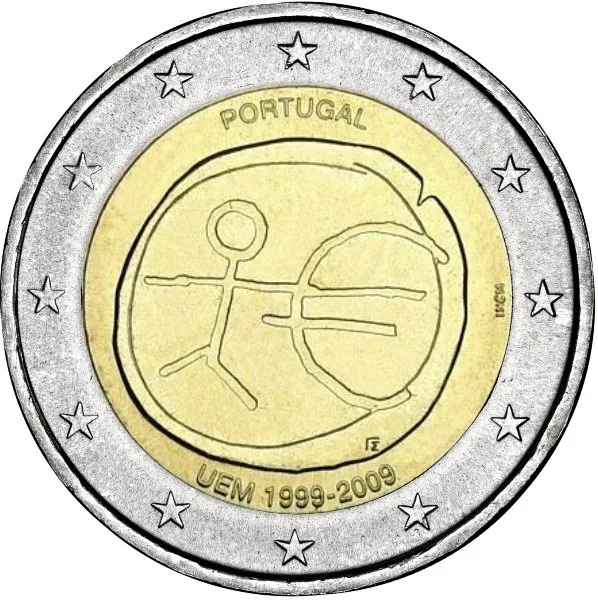
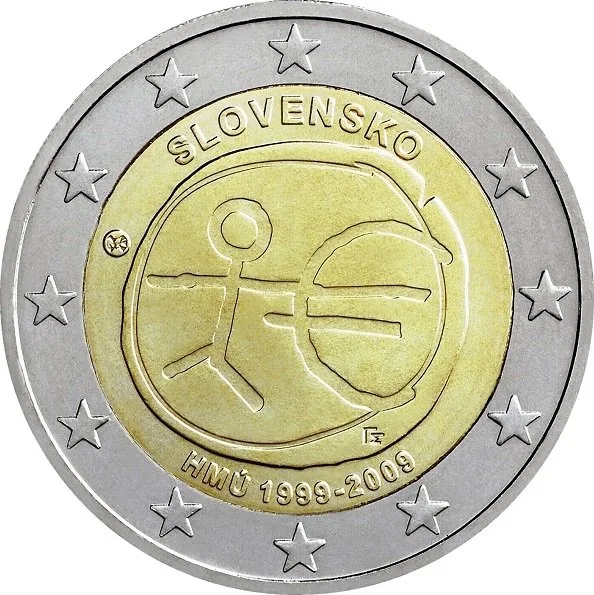
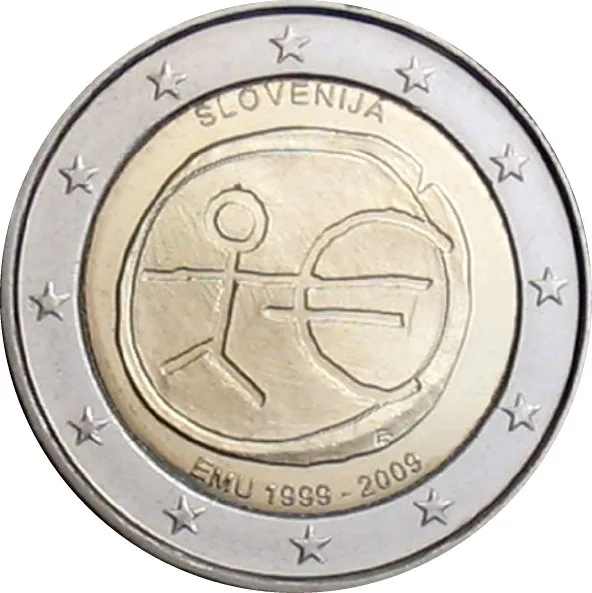
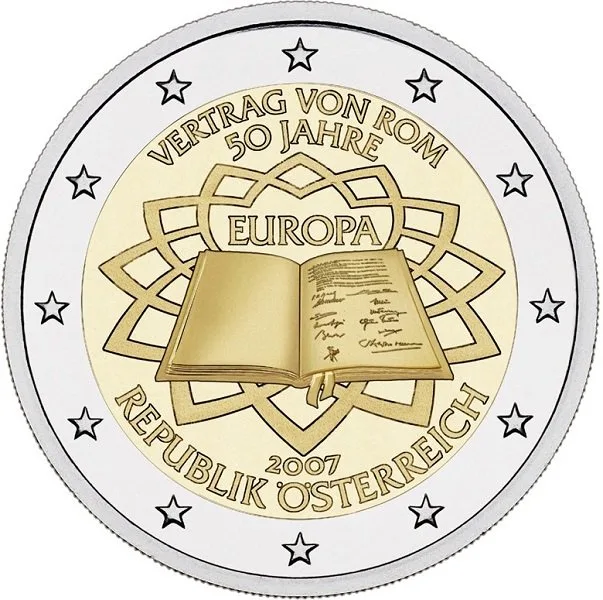
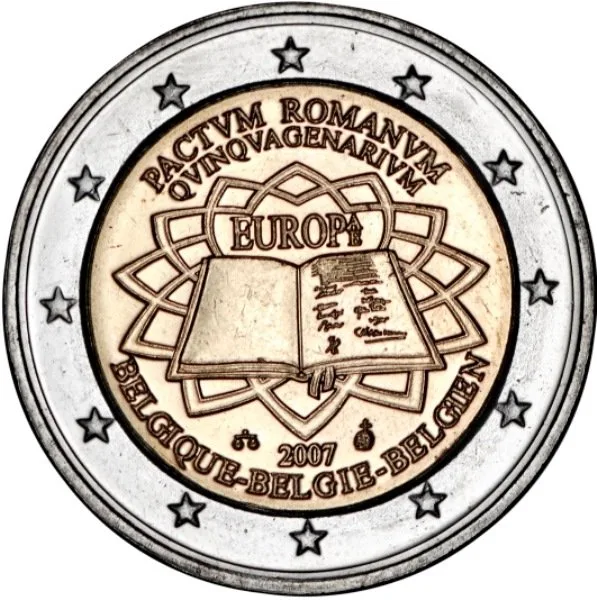
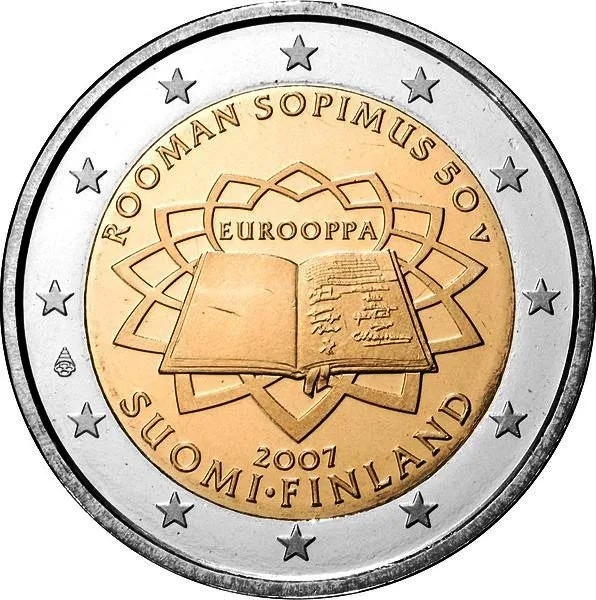
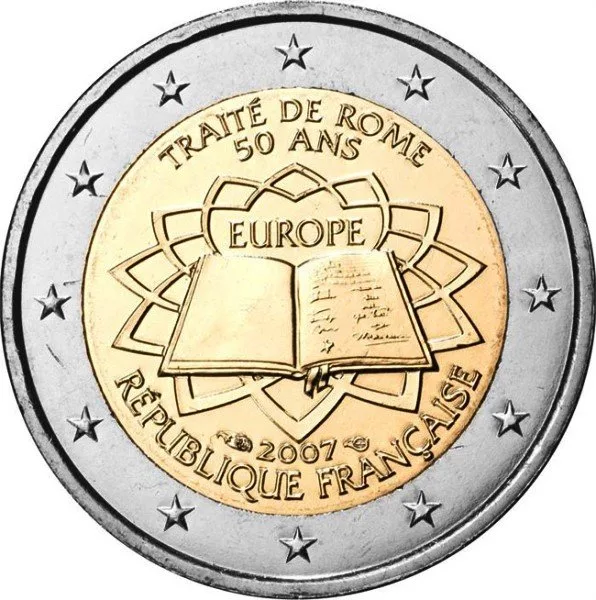
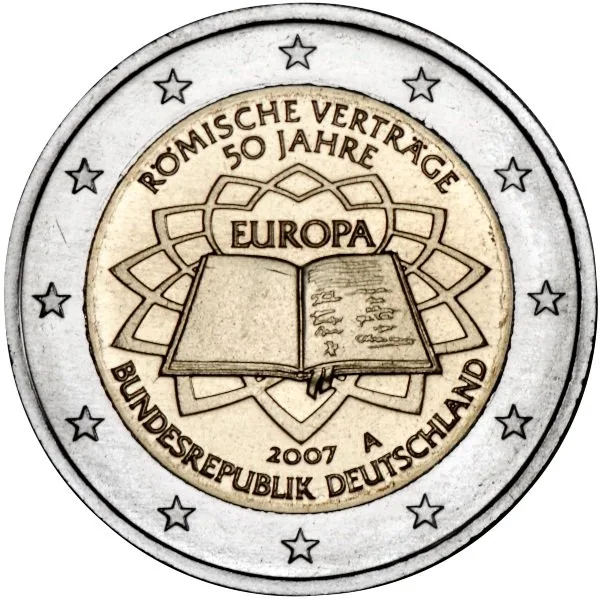
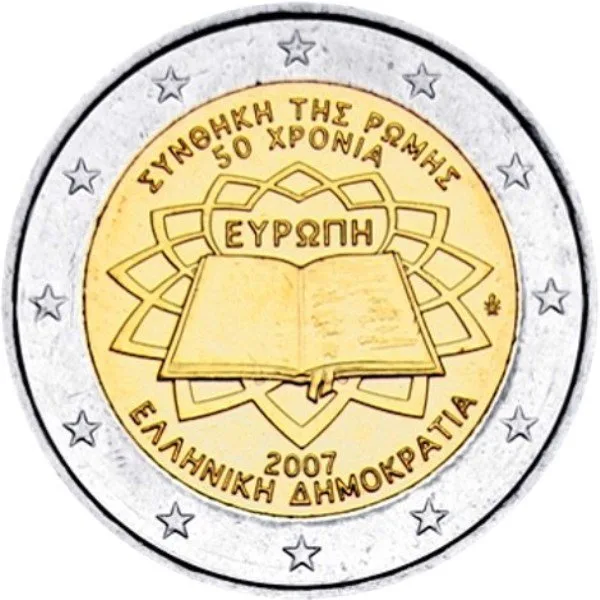
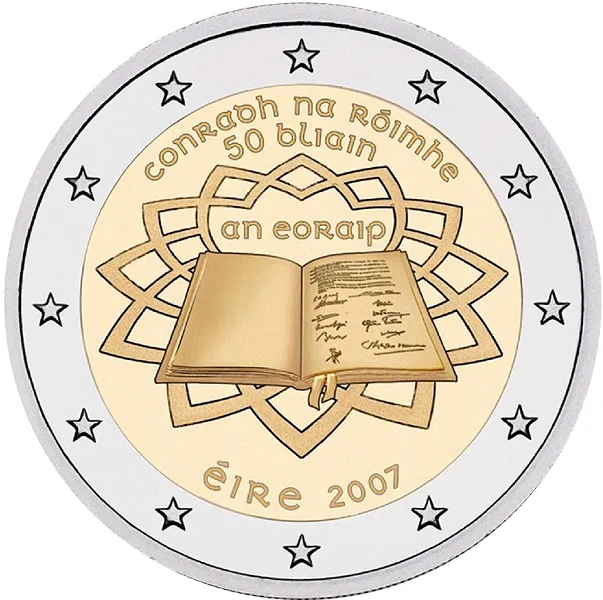
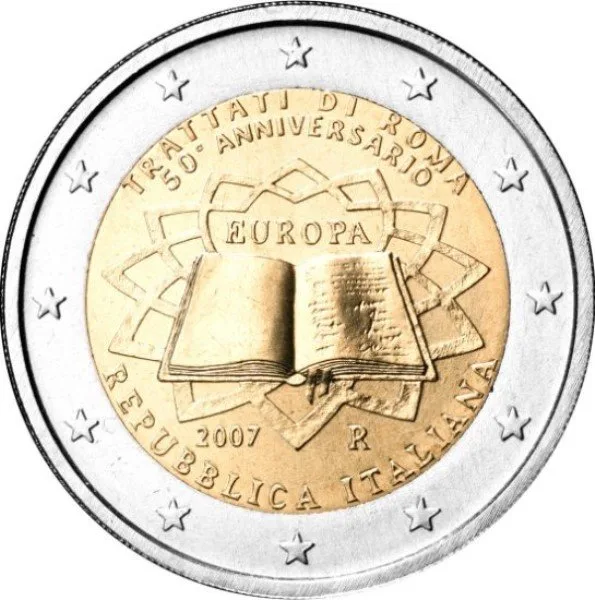
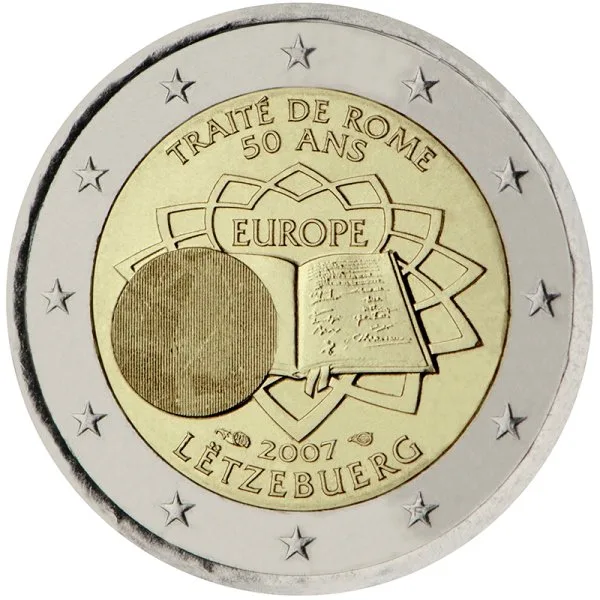
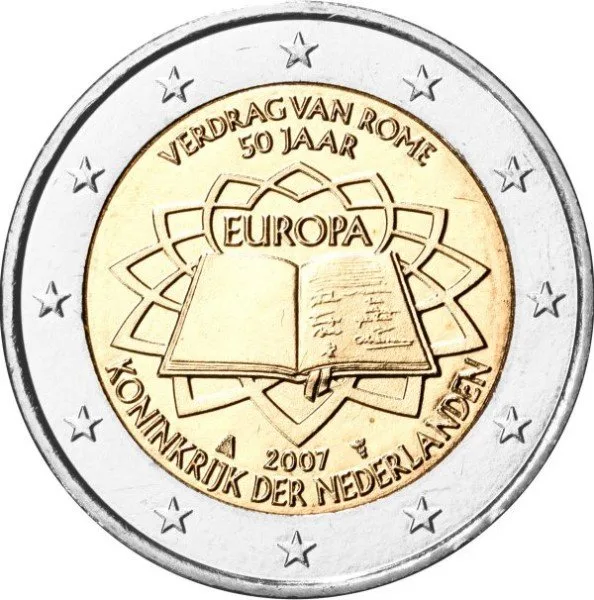
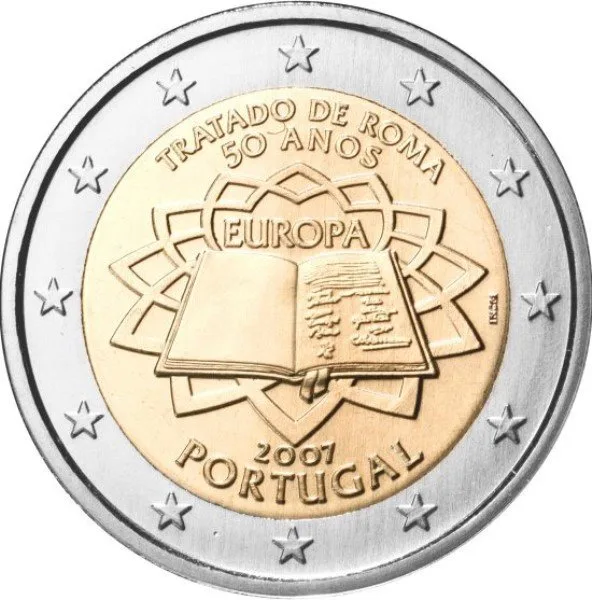
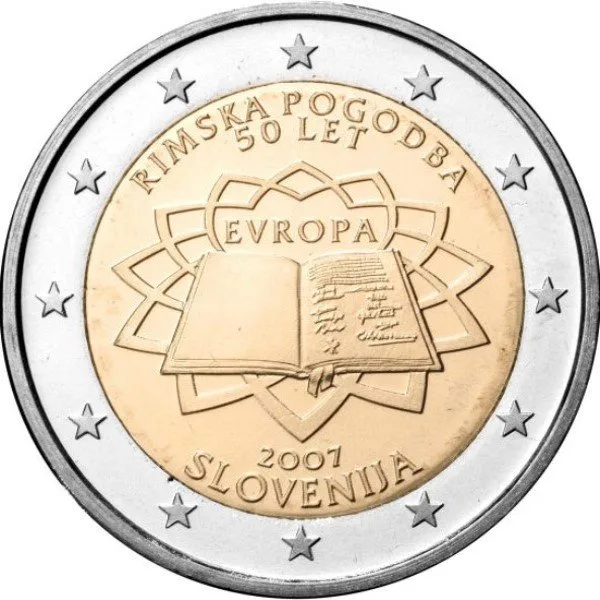
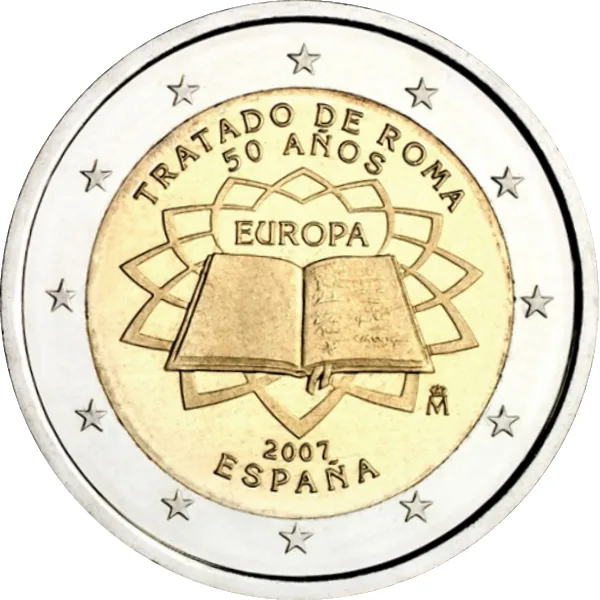
Some 2-euro coins are not a national affair: for European anniversaries all euro countries strike the same commemorative coin with an identical motif – the joint issues. Add to that the shared common side carried by every euro coin, and the history of the single currency.
The euro countries at a glance
| Country | Capital | EU accession | Former currency |
|---|---|---|---|
| Austria | Vienna | 1 January 1995 | Austrian schilling |
| Belgium | Brussels | 23 July 1952 | Belgian franc |
| Bulgaria | Sofia | 1 January 2007 | Bulgarian lev |
| Croatia | Zagreb | 1 July 2013 | Croatian kuna |
| Cyprus | Nicosia | 1 May 2004 | Cypriot pound |
| Estonia | Tallinn | 1 May 2004 | Estonian kroon |
| Finland | Helsinki | 1 January 1995 | Finnish markka |
| France | Paris | 23 July 1952 | French franc |
| Germany | Berlin | 23 July 1952 | German mark |
| Greece | Athens | 1 January 1981 | Greek drachma |
| Ireland | Dublin | 1 January 1973 | Irish pound |
| Italy | Rome | 23 July 1952 | Italian lira |
| Latvia | Riga | 1 May 2004 | Latvian lats |
| Lithuania | Vilnius | 1 May 2004 | Lithuanian litas |
| Luxembourg | Luxembourg | 23 July 1952 | Luxembourg franc |
| Malta | Valletta | 1 May 2004 | Maltese lira |
| Netherlands | Amsterdam (seat of government: The Hague) | 23 July 1952 | Dutch guilder |
| Portugal | Lisbon | 1 January 1986 | Portuguese escudo |
| Slovakia | Bratislava | 1 May 2004 | Slovak koruna |
| Slovenia | Ljubljana | 1 May 2004 | Slovenian tolar |
| Spain | Madrid | 1 January 1986 | Spanish peseta |
Joint issues – every national version
25 Years of EU Enlargement · 2029 · 21 countries
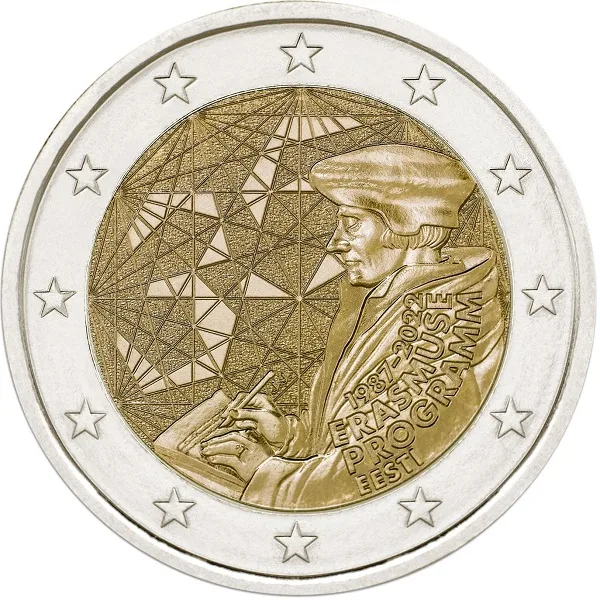
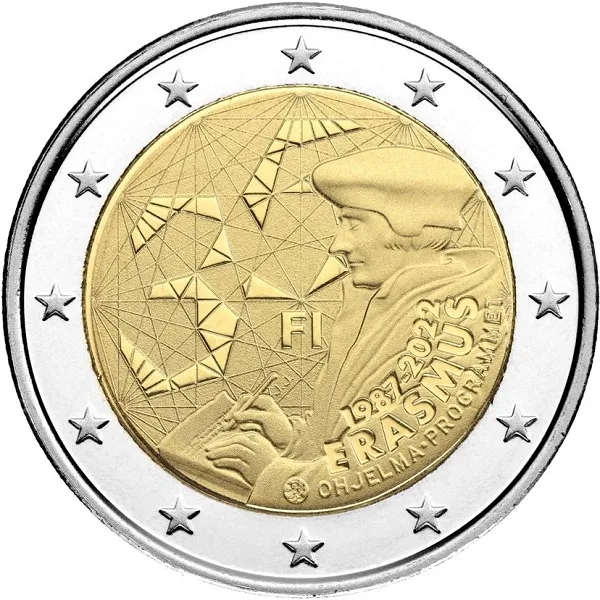
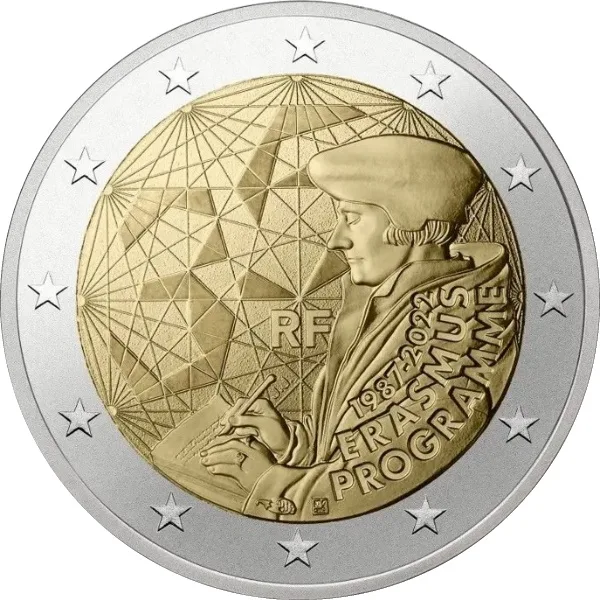
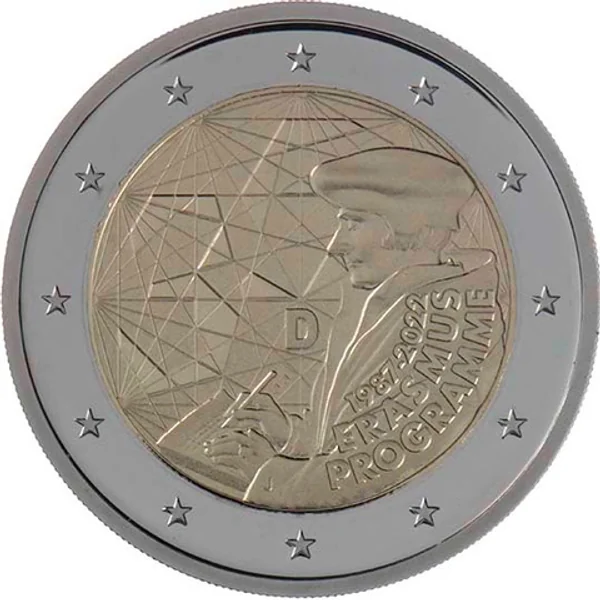
35 Years of the Erasmus Programme · 2022 · 19 countries
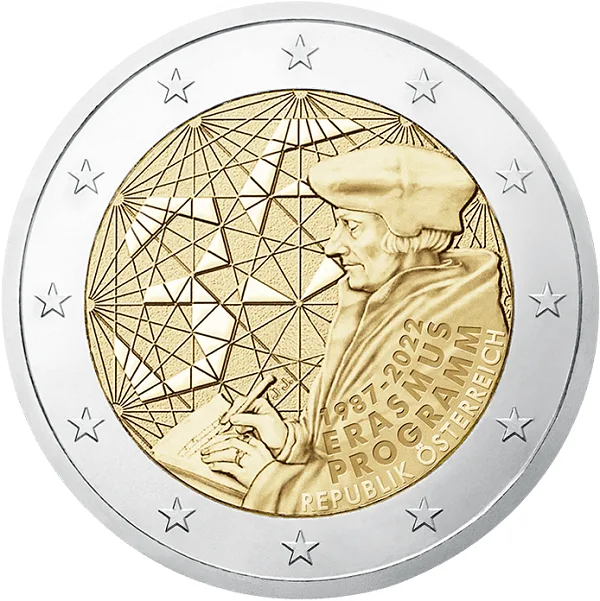
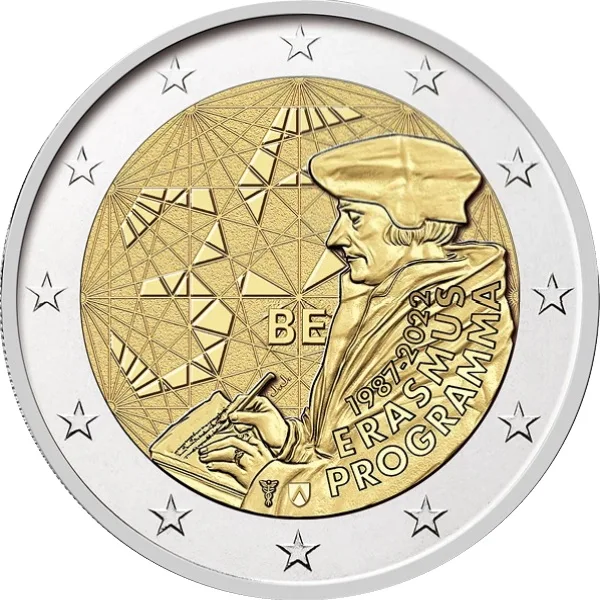
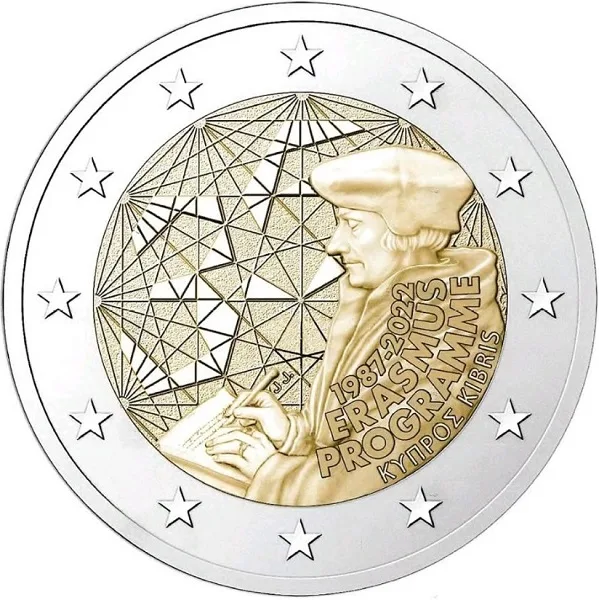
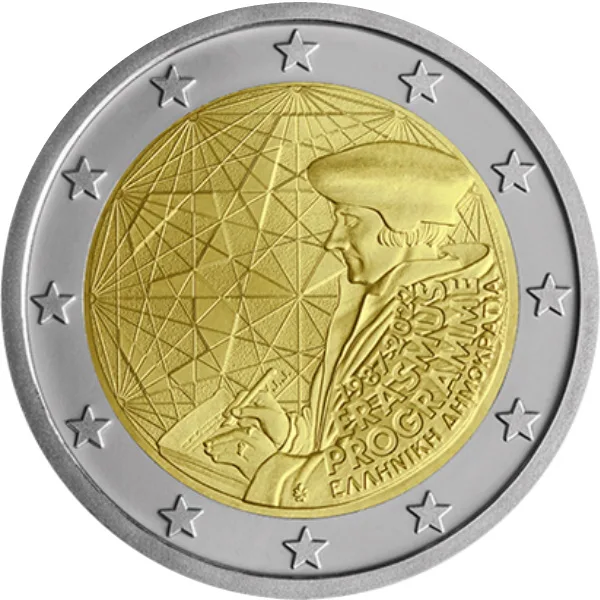
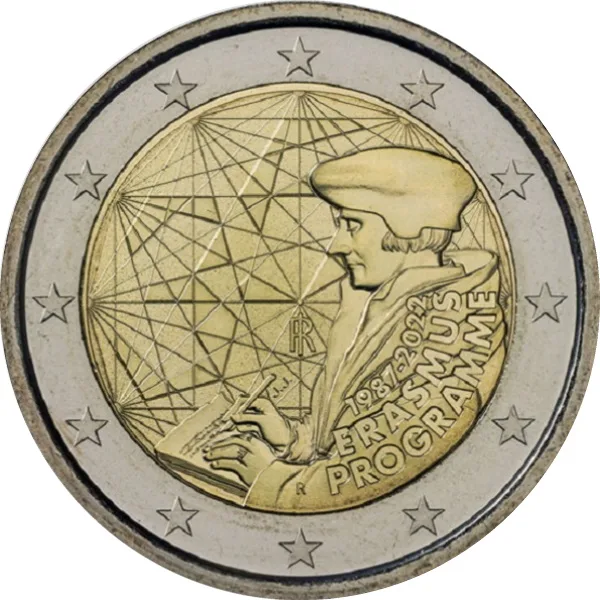
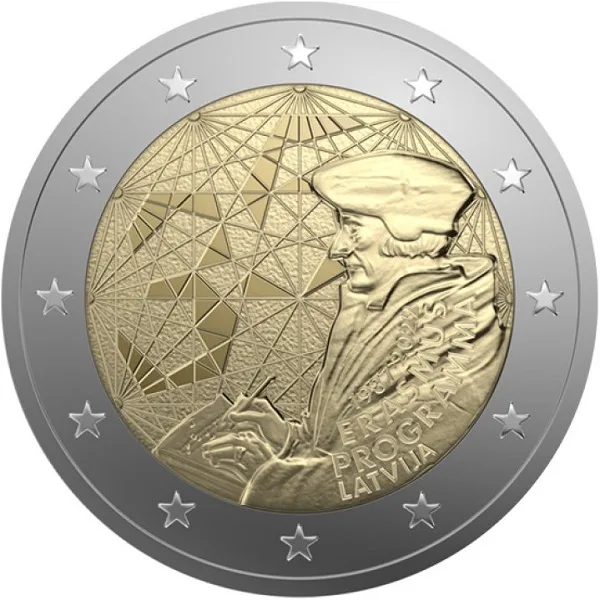
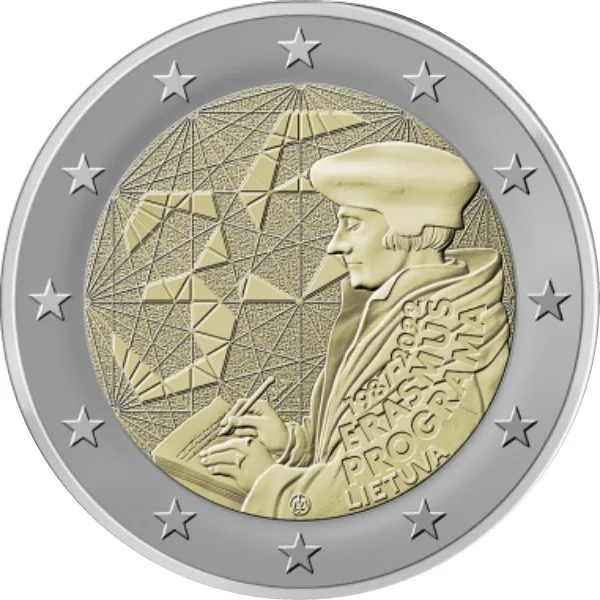
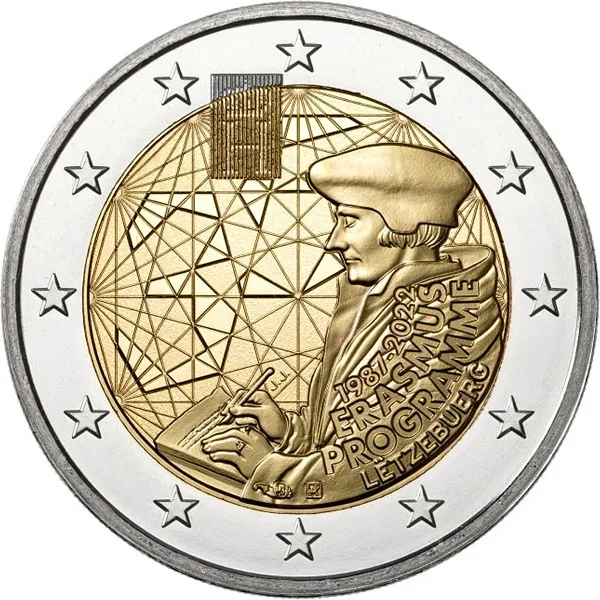
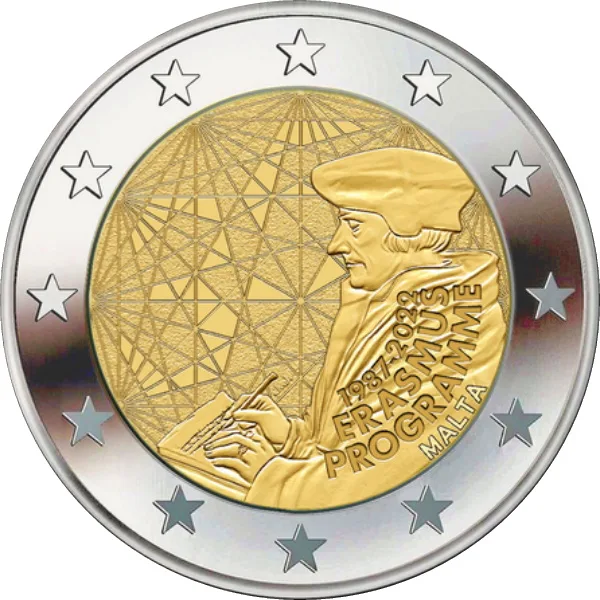
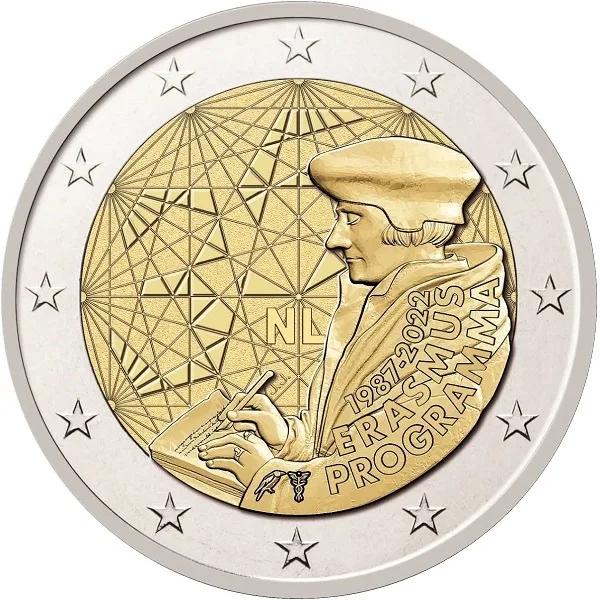
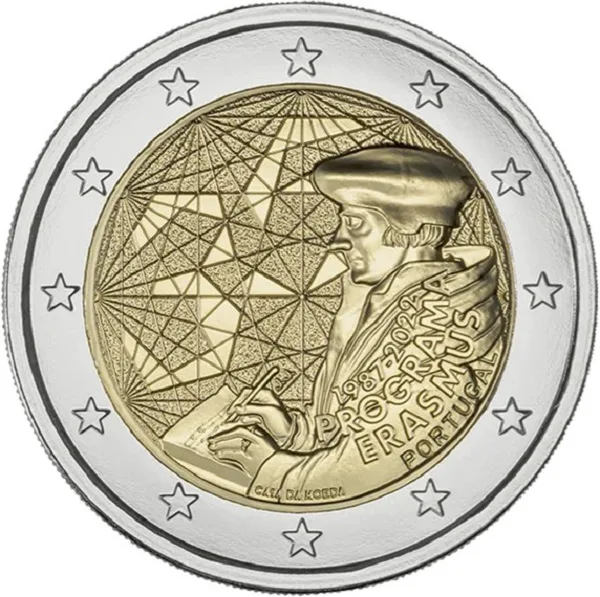
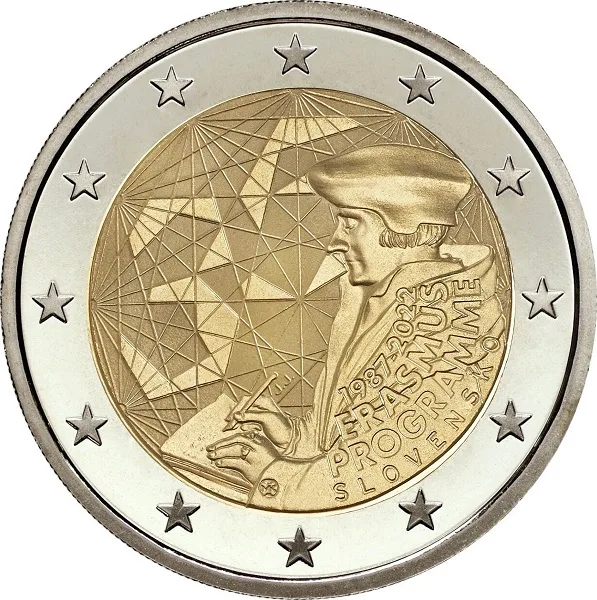
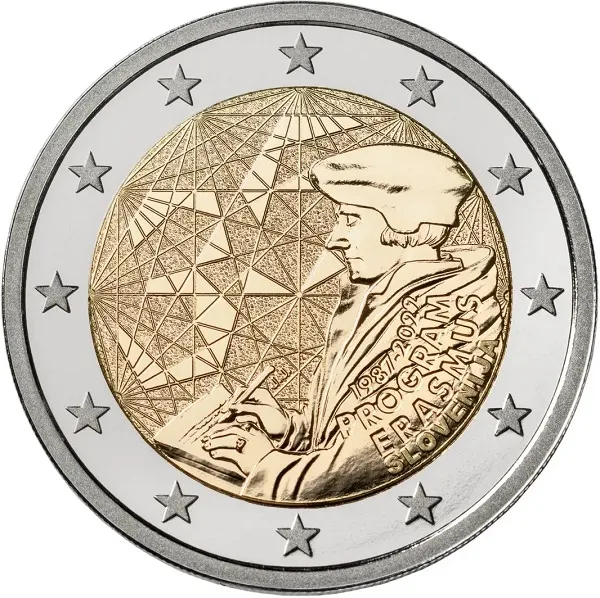
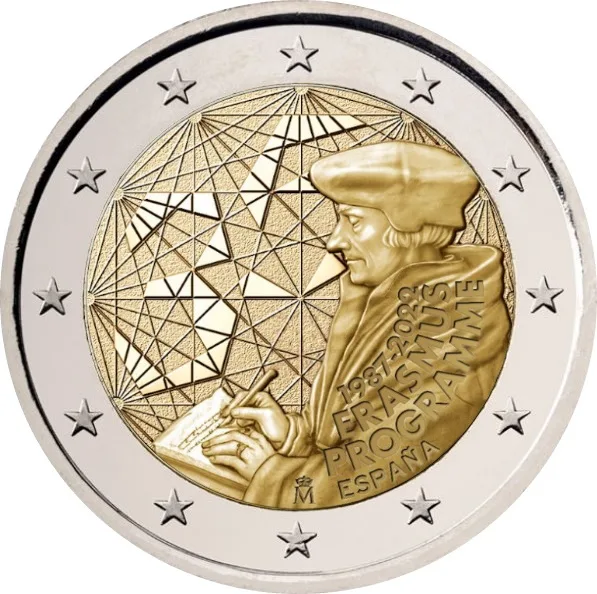
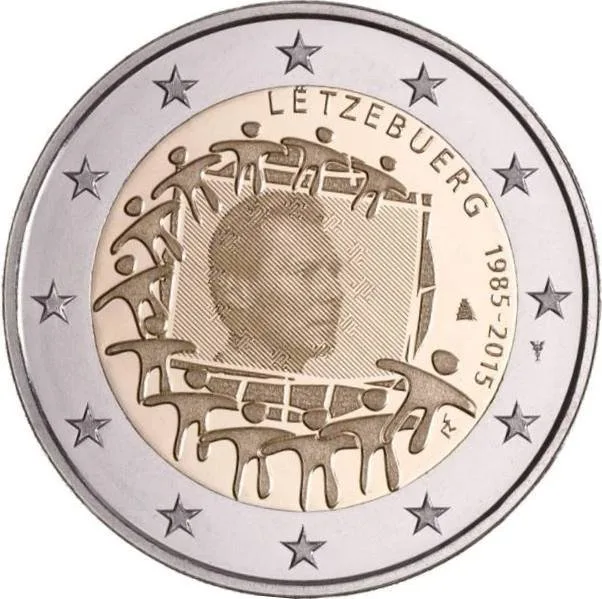
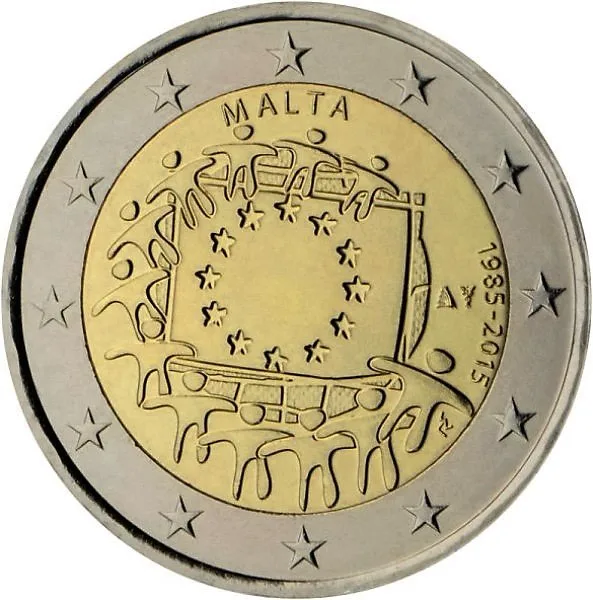
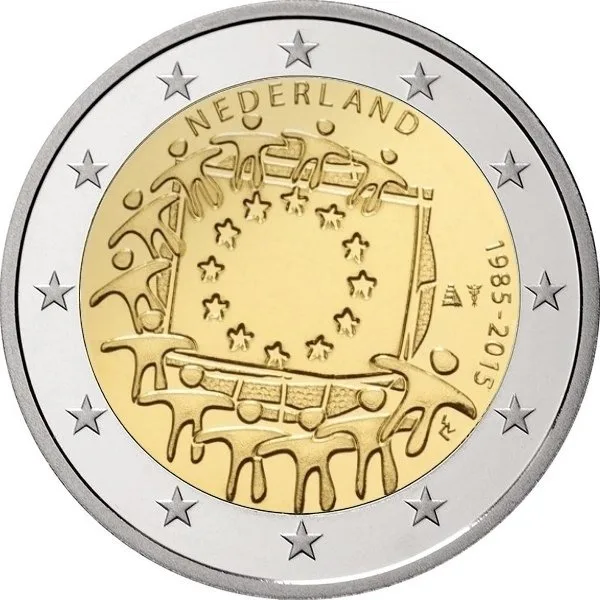
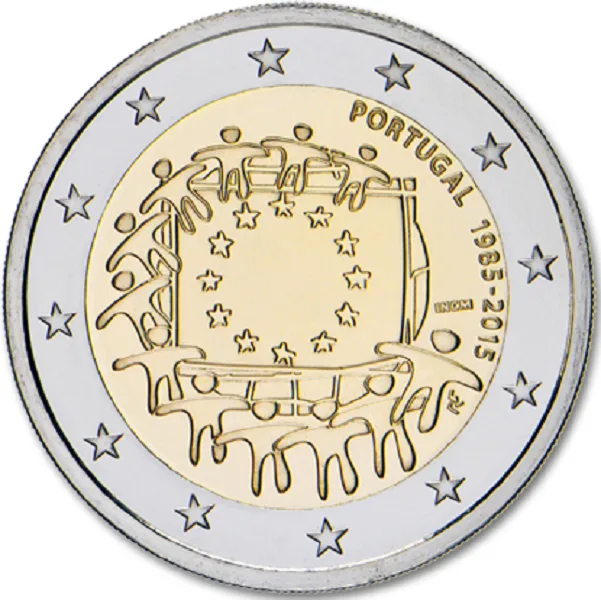
30 Years of the EU Flag · 2015 · 19 countries
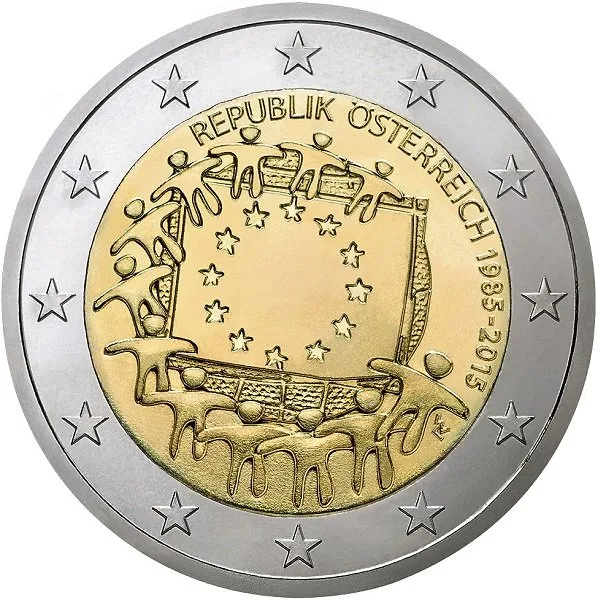
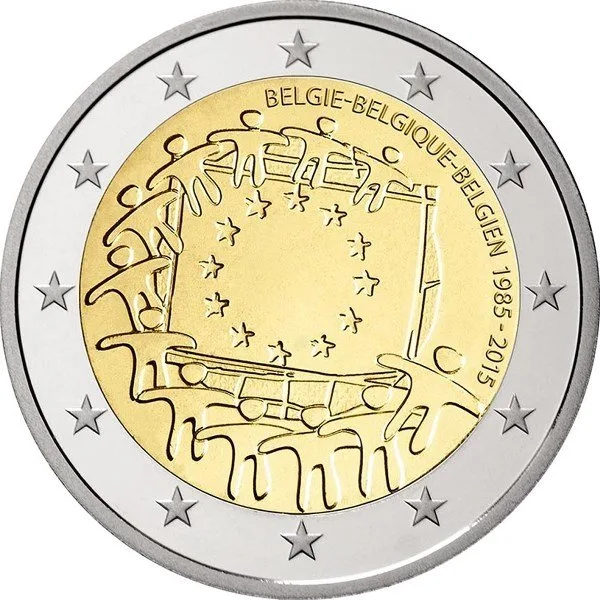
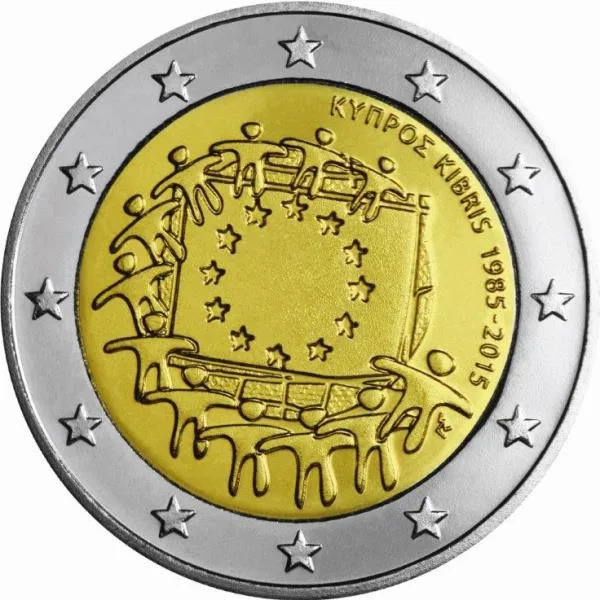
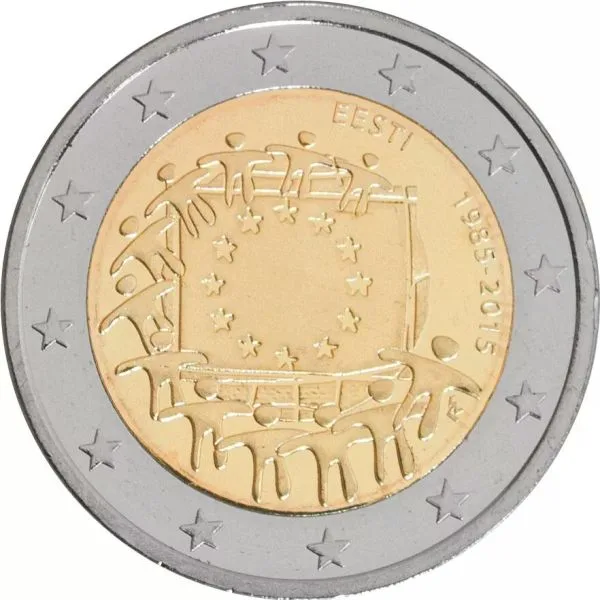
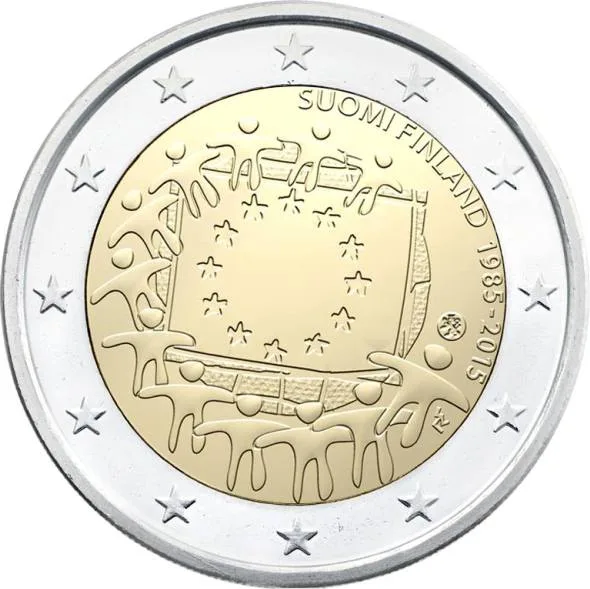
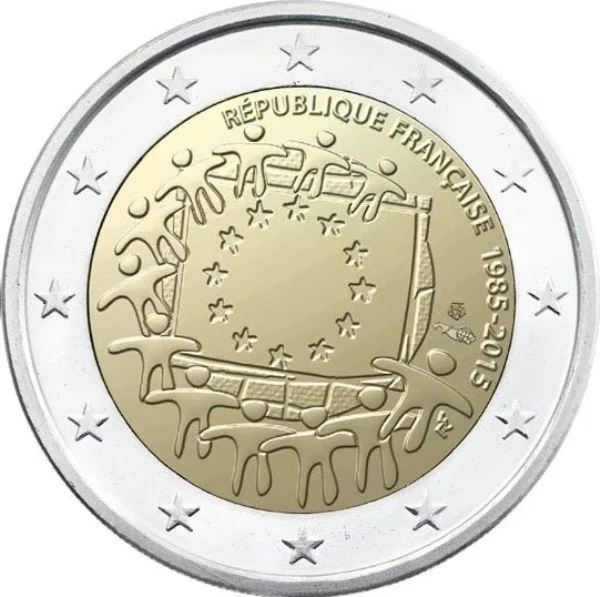
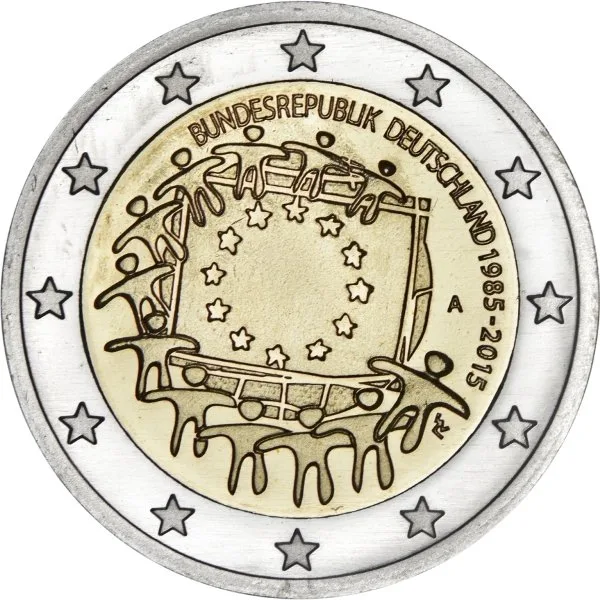
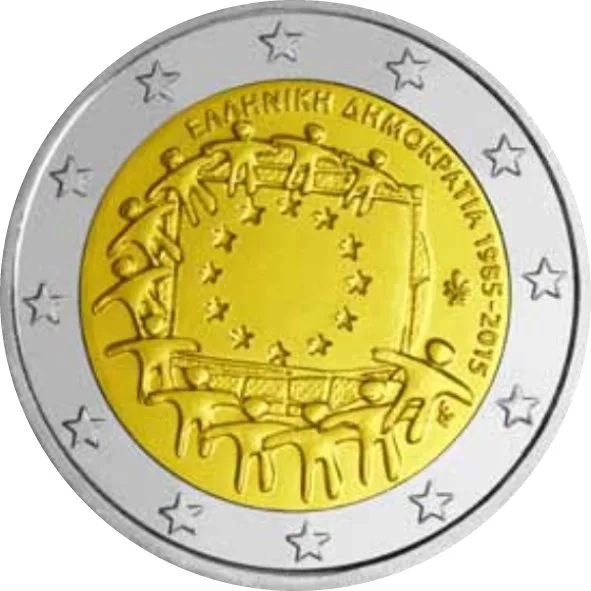
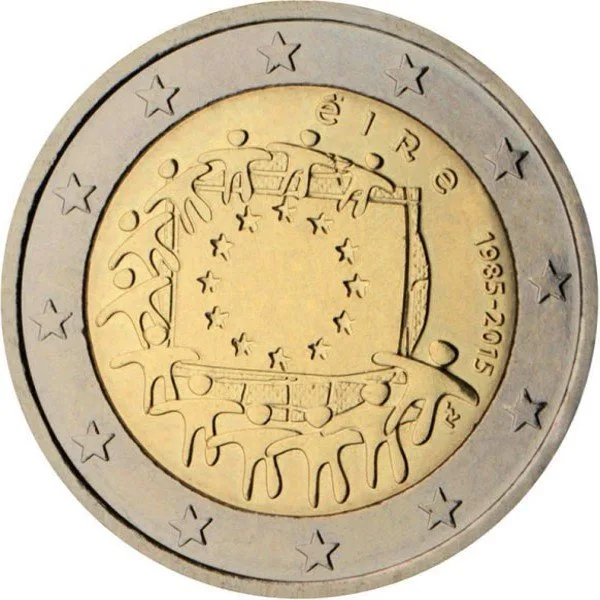
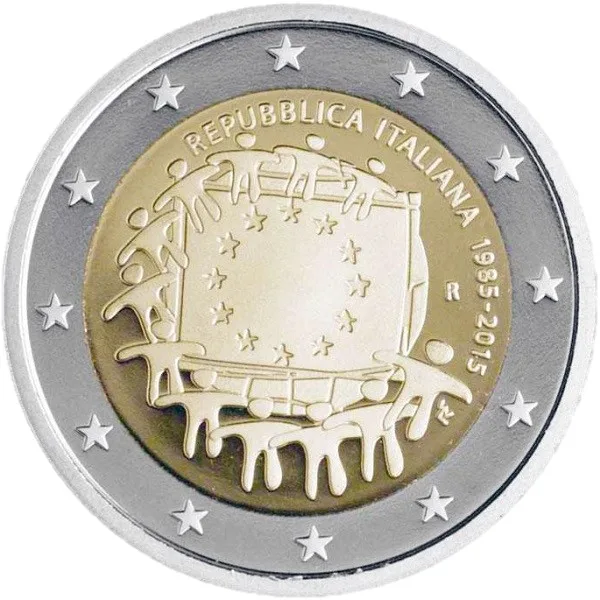
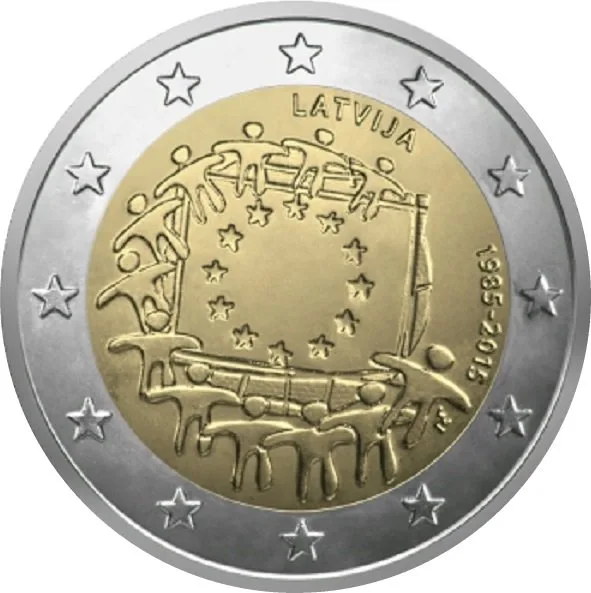
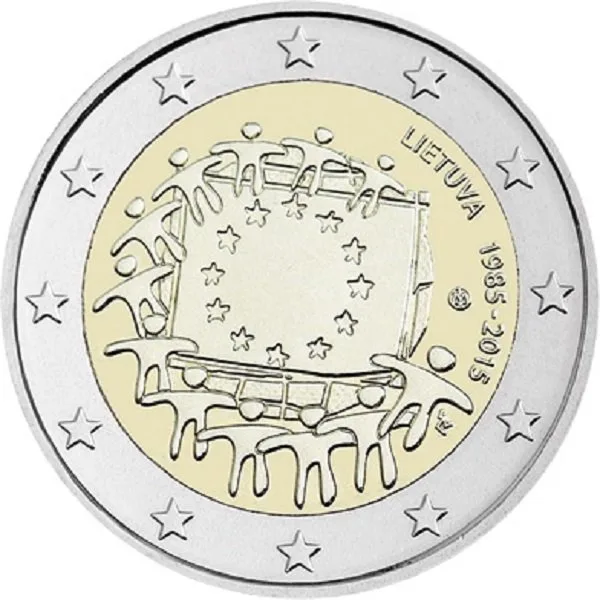
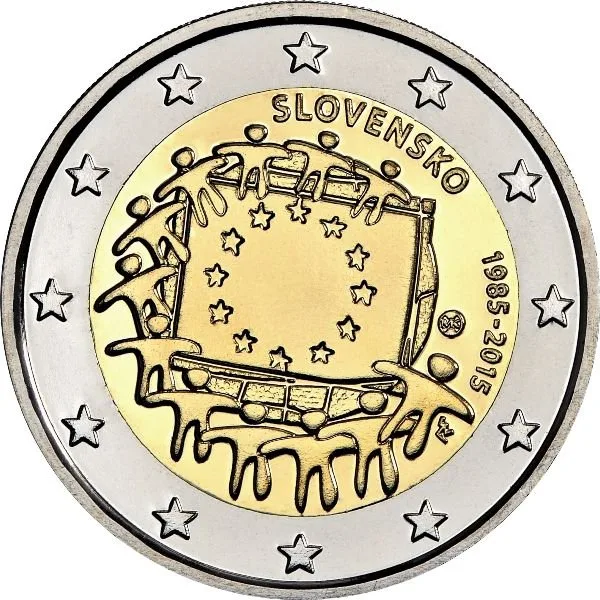
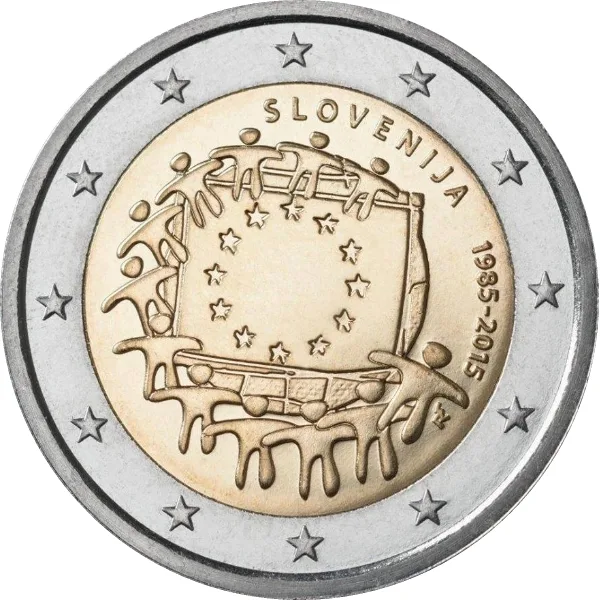
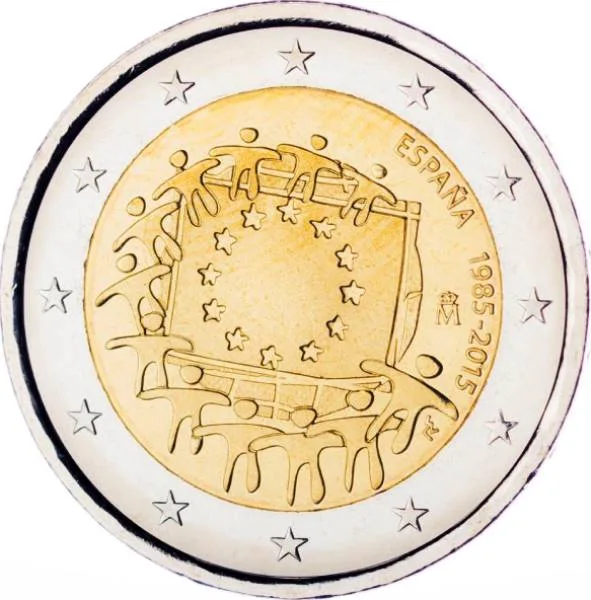
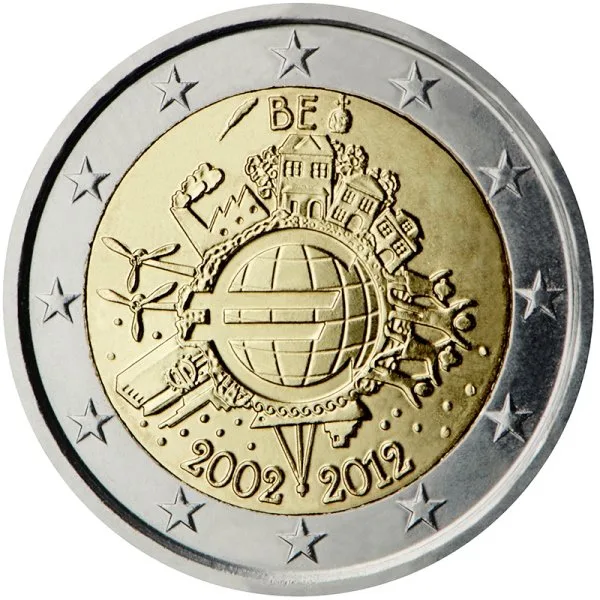
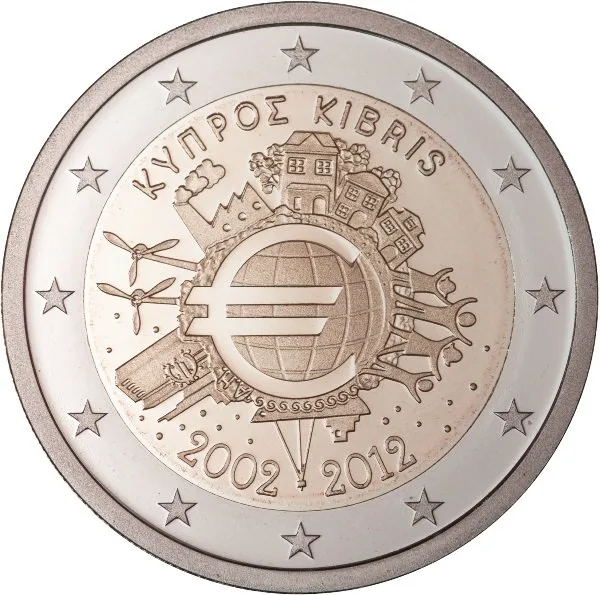
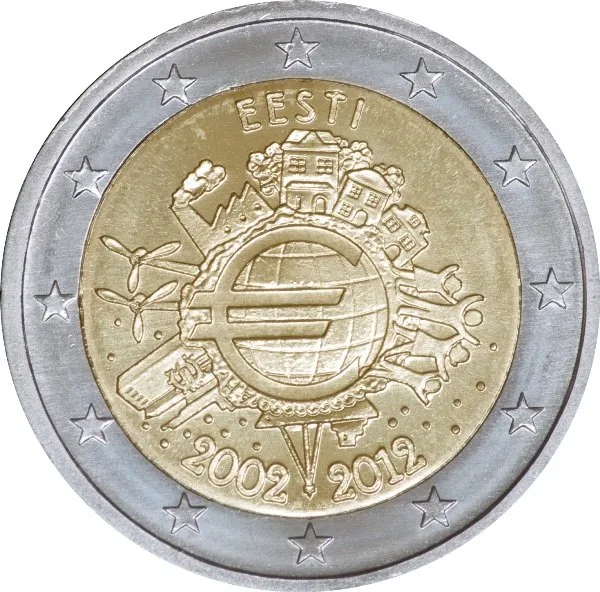
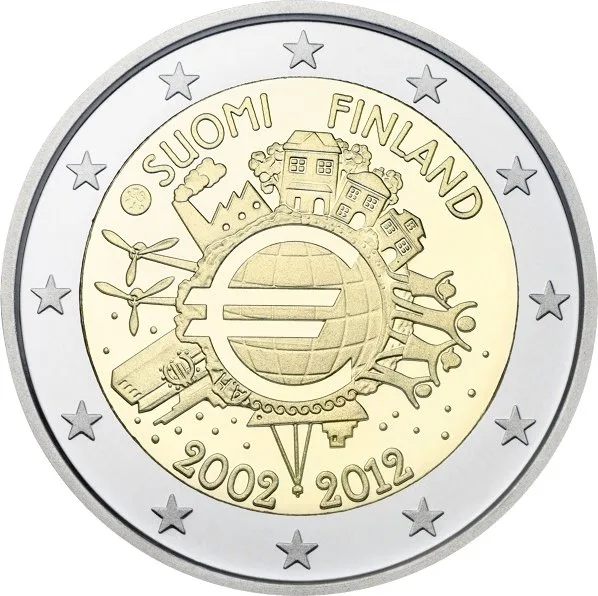
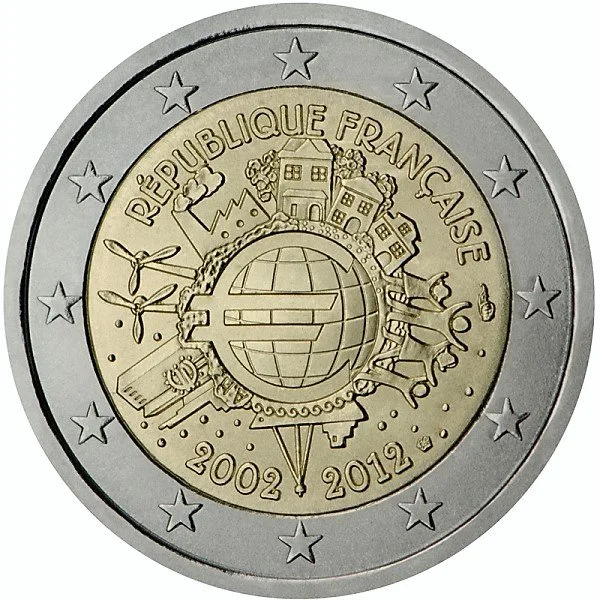
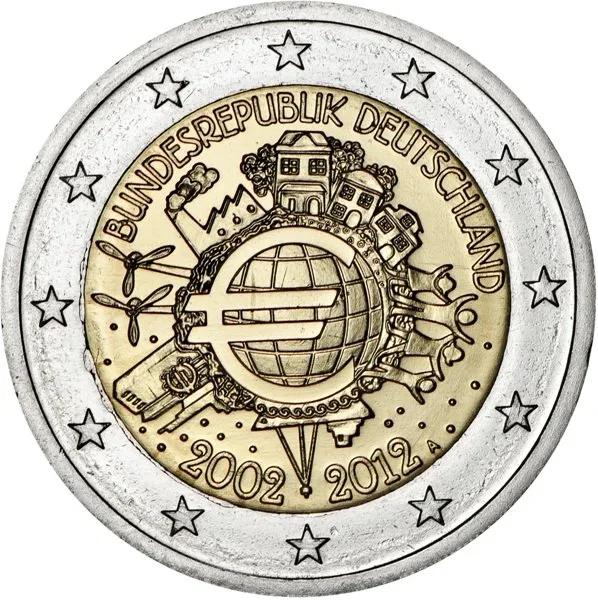
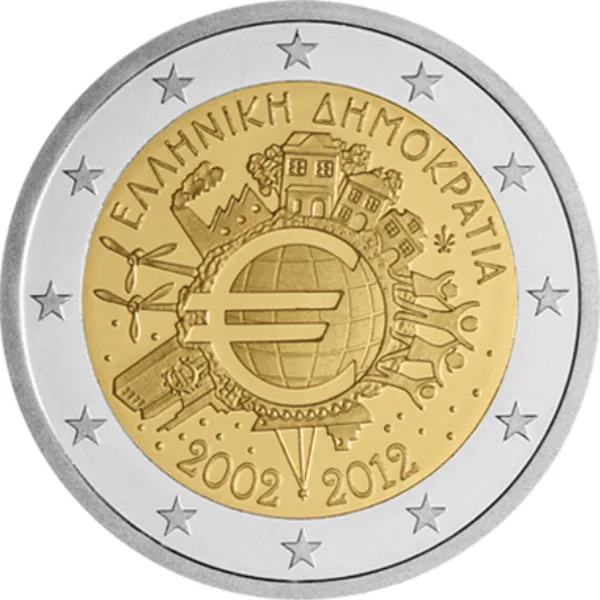
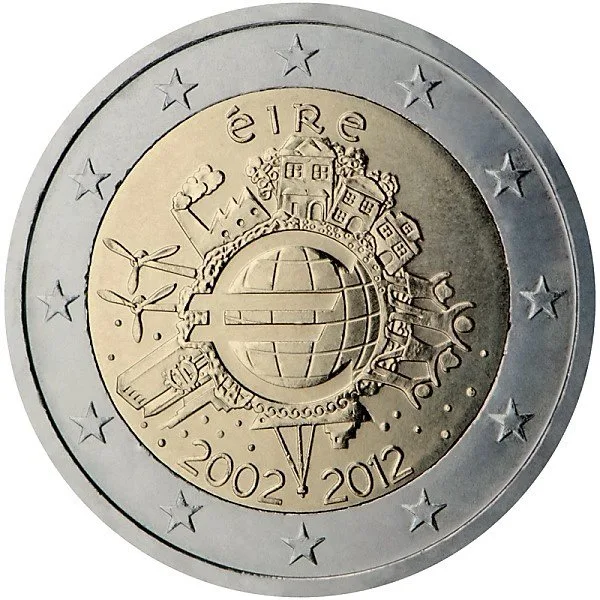
10 Years of Euro Cash · 2012 · 18 countries
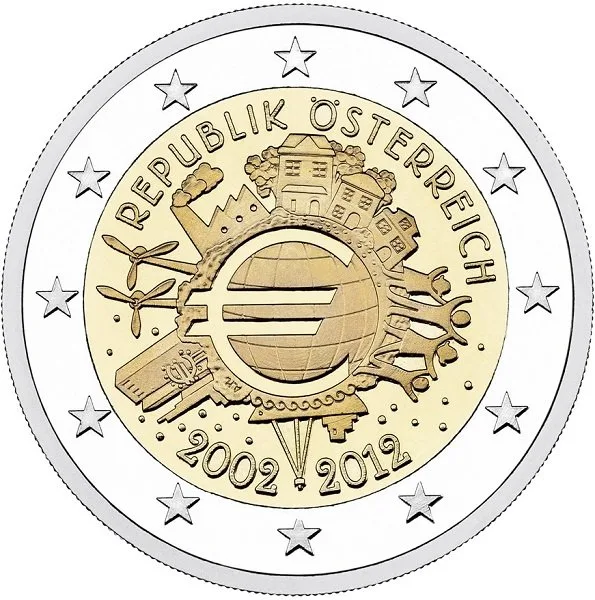
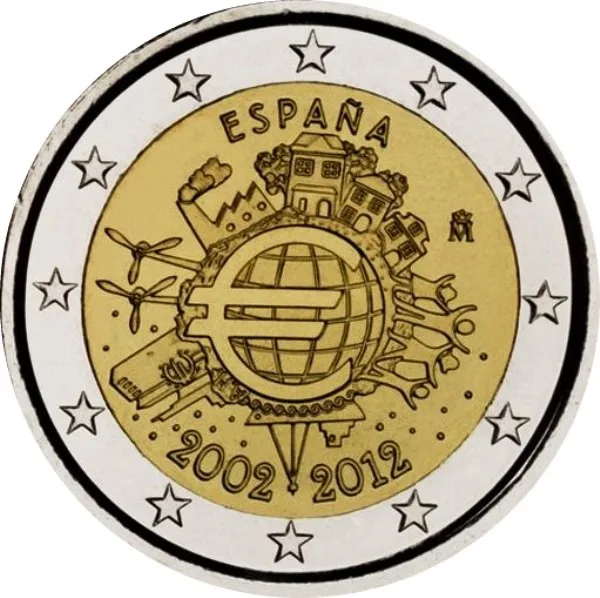
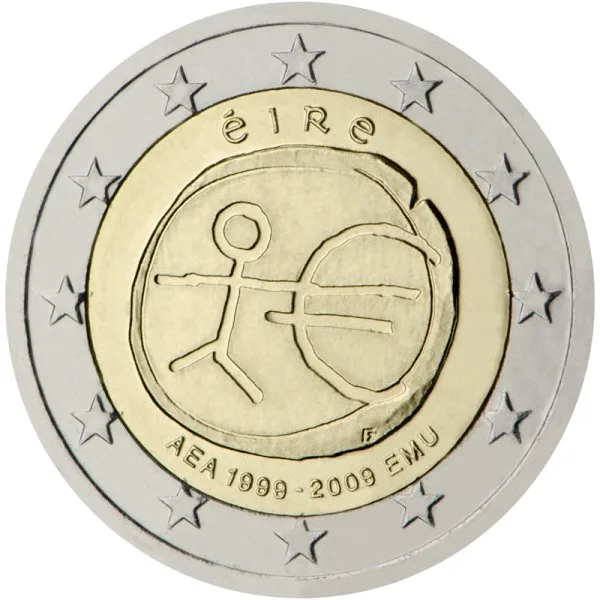
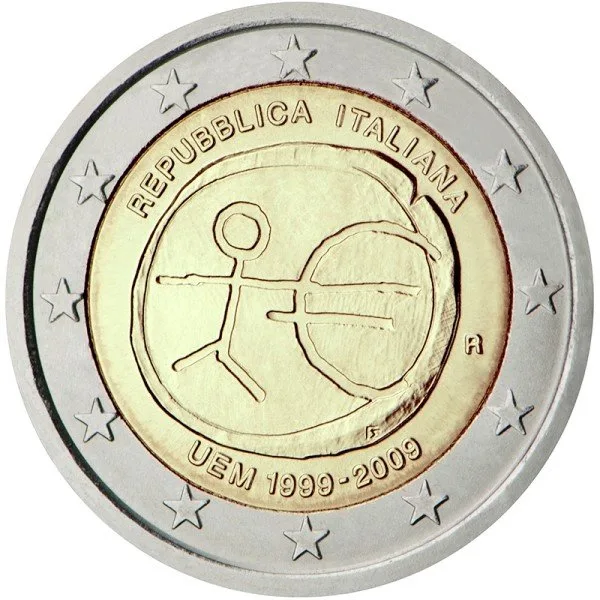
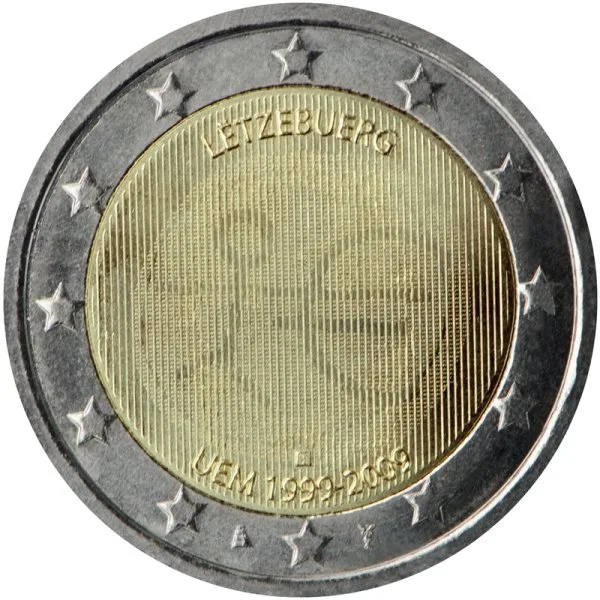
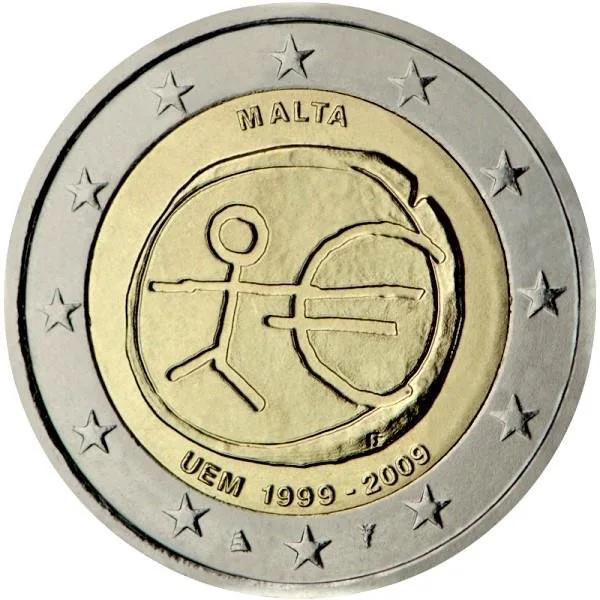
10 Years of Economic and Monetary Union · 2009 · 16 countries
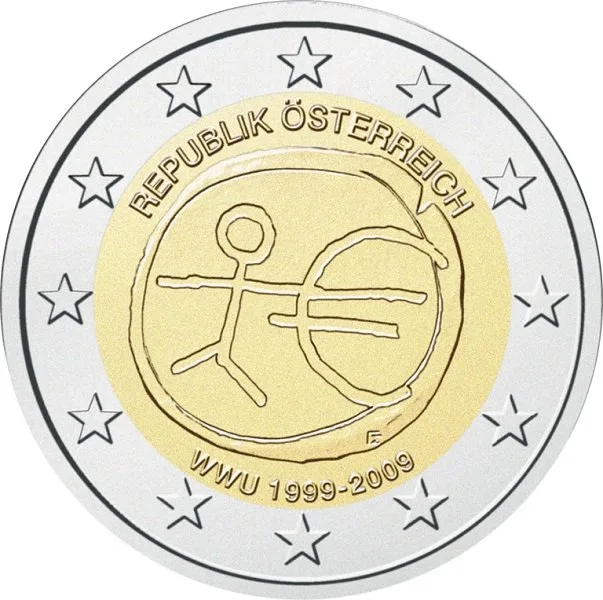
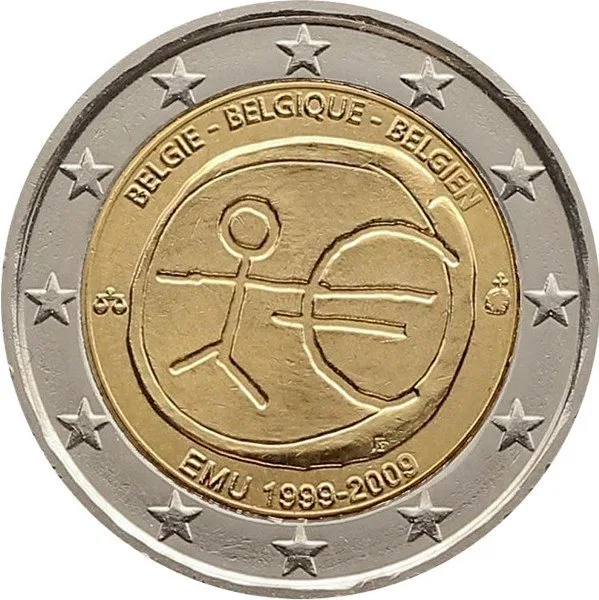
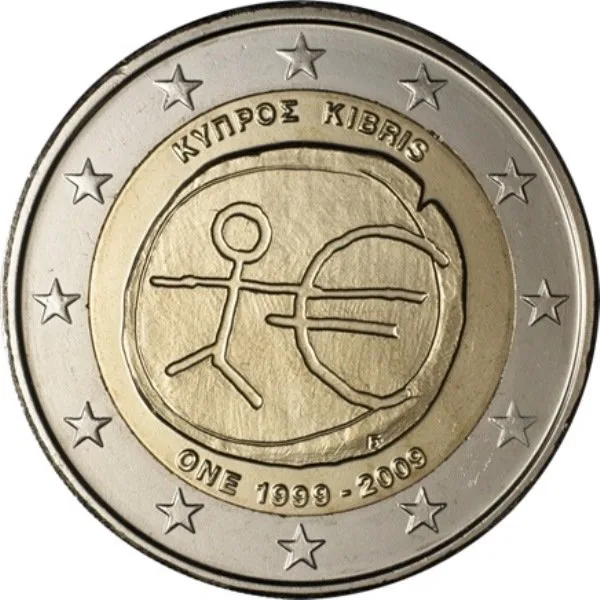
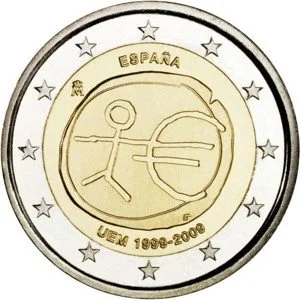
50 Years of the Treaty of Rome · 2007 · 13 countries
History of the single currency
The value sides of euro coins are identical throughout Europe. The national sides, by contrast, may be designed by each country using motifs reflecting its own culture and traditions — unlike euro banknotes, which share a uniform design across the continent. On 16 June 1997, the design competition for the euro value …
Read more