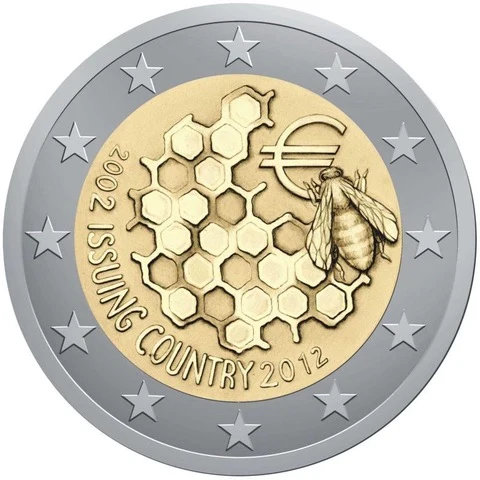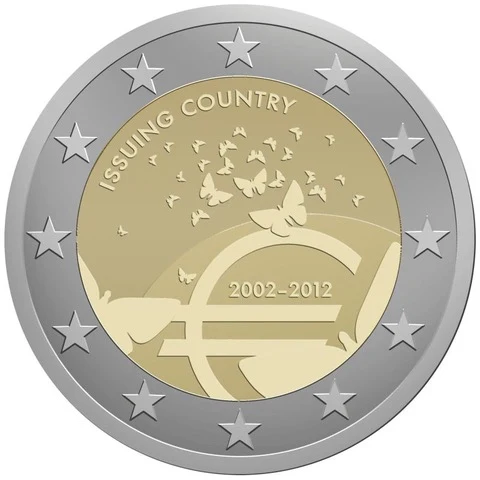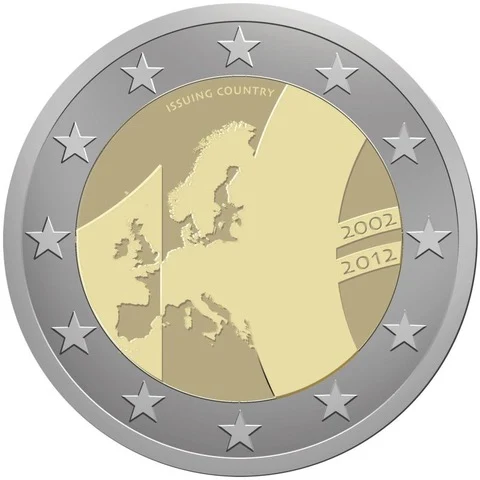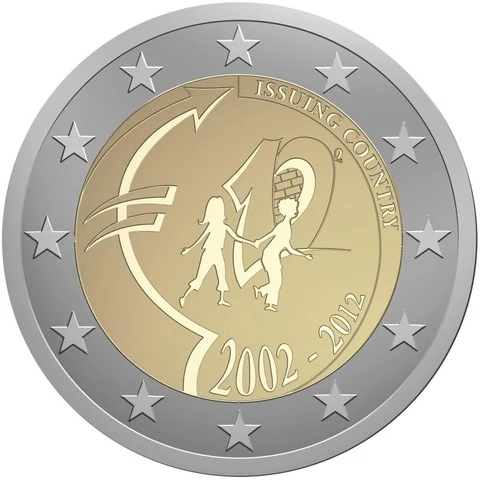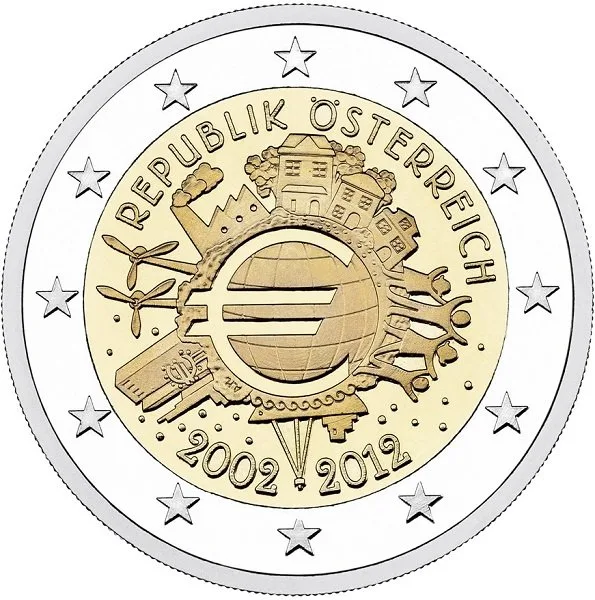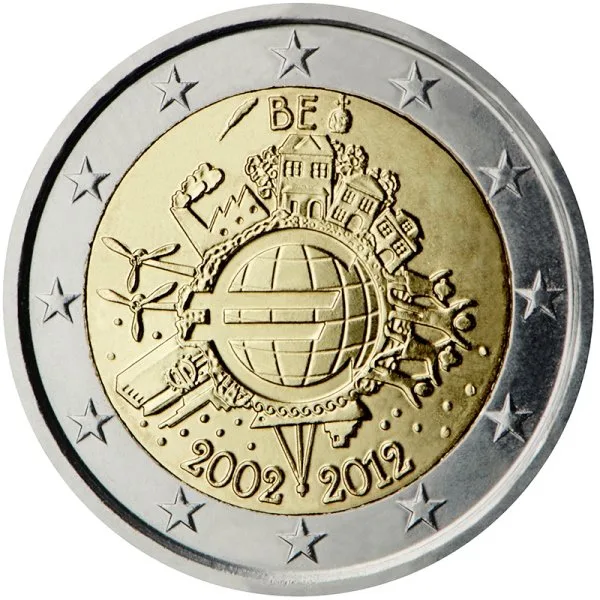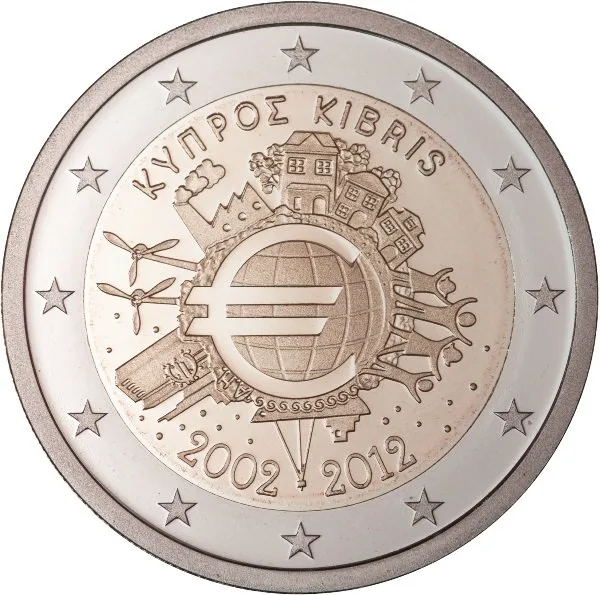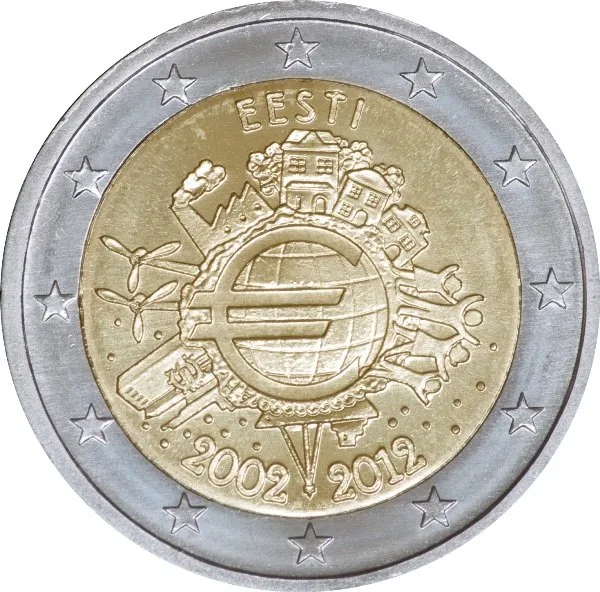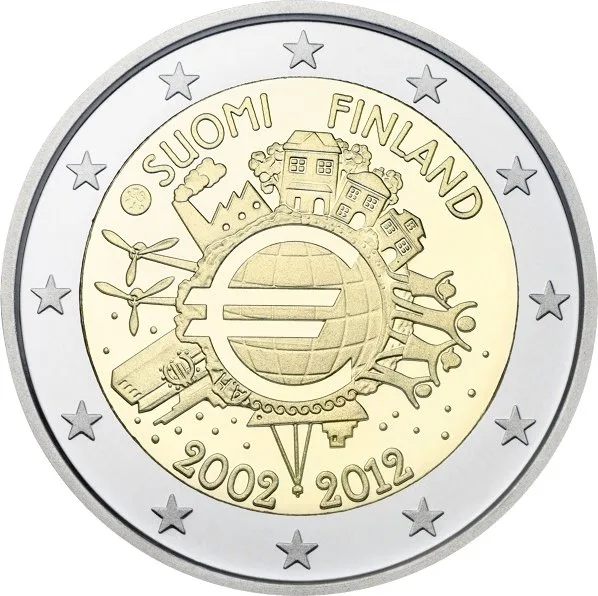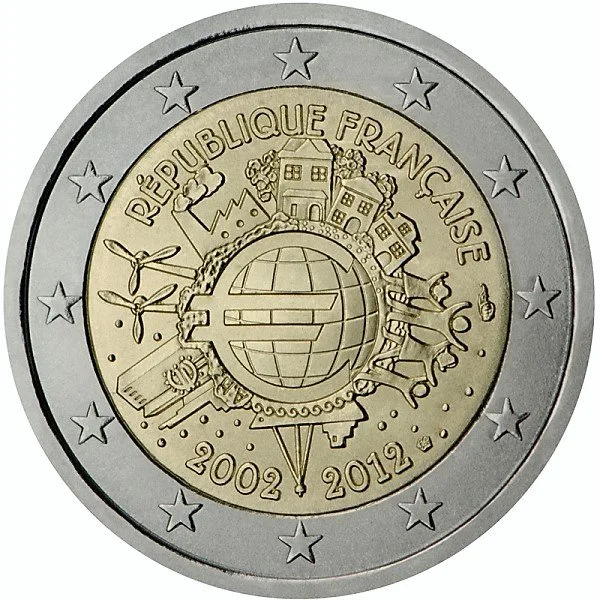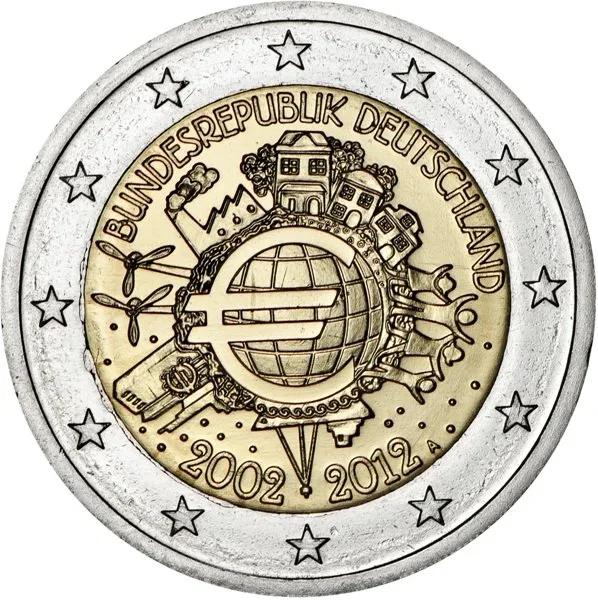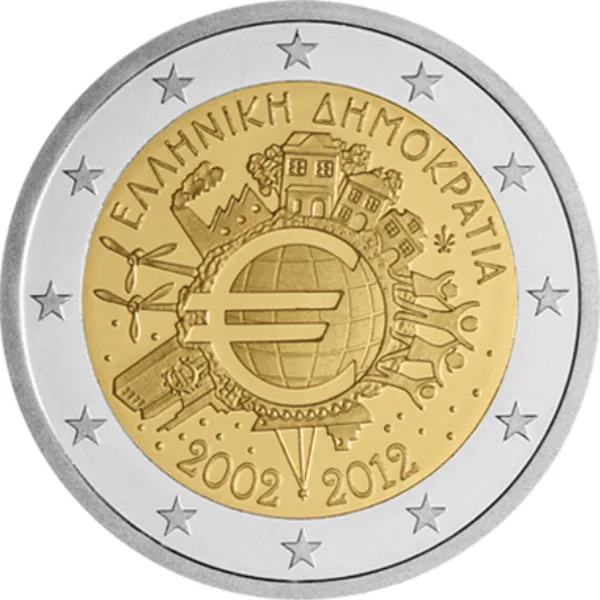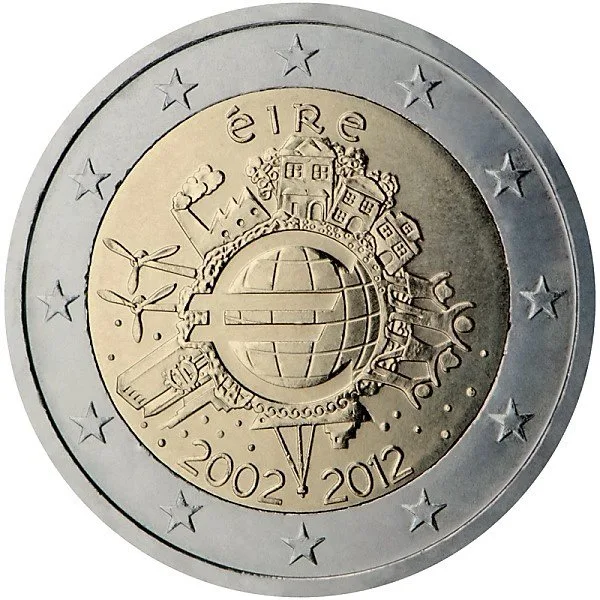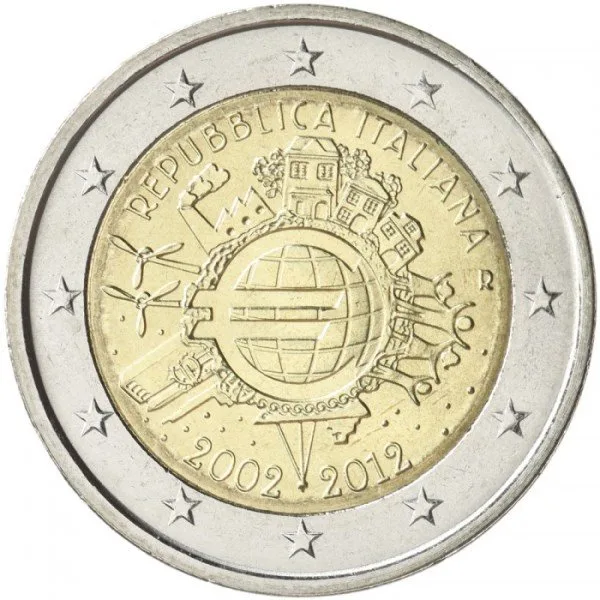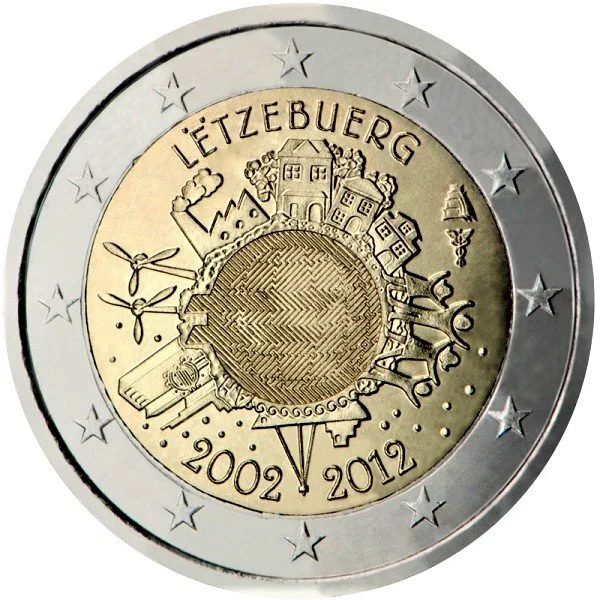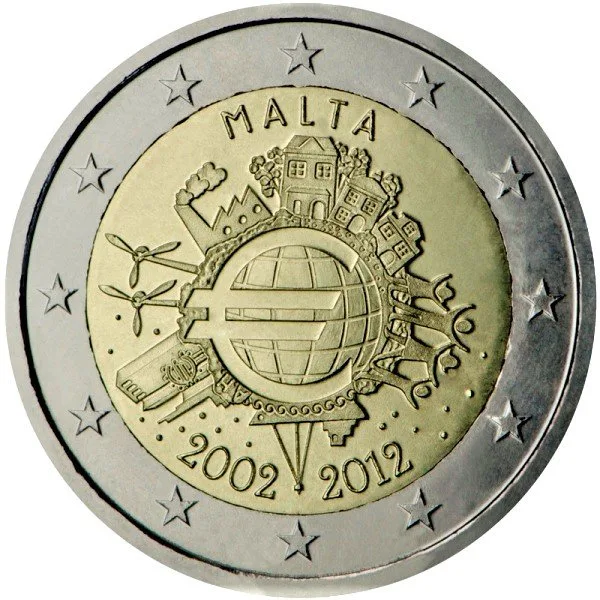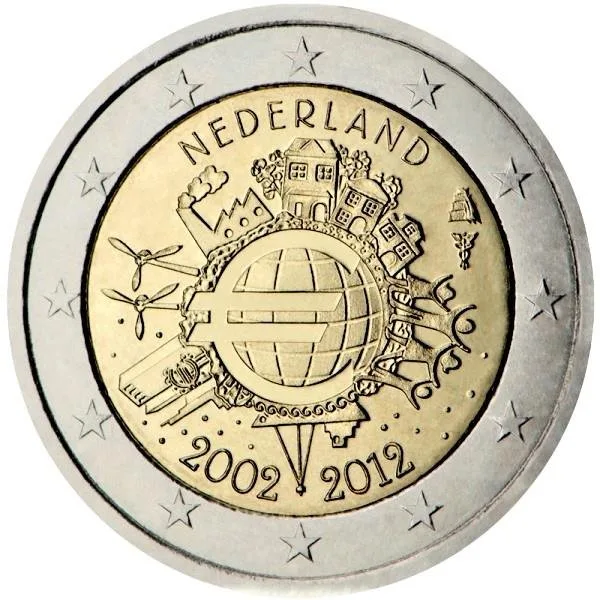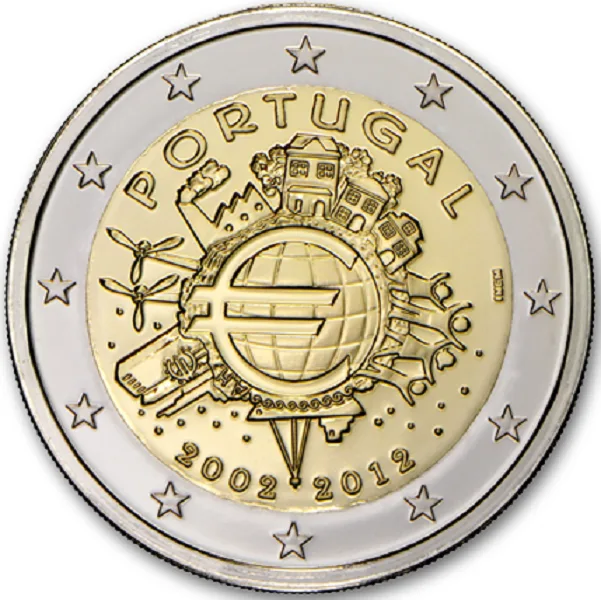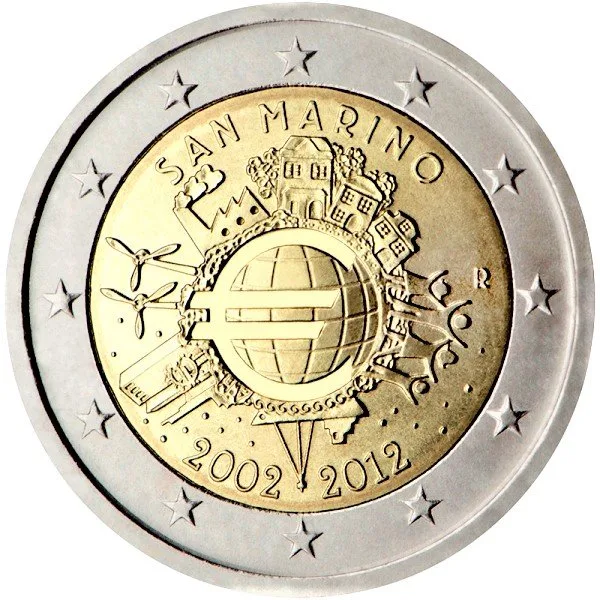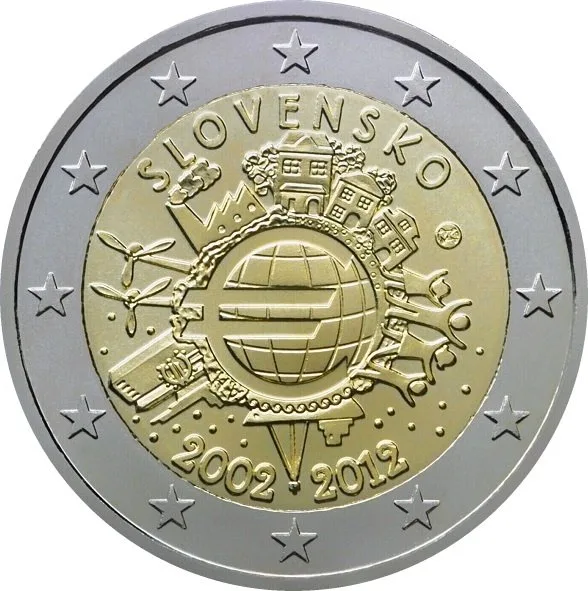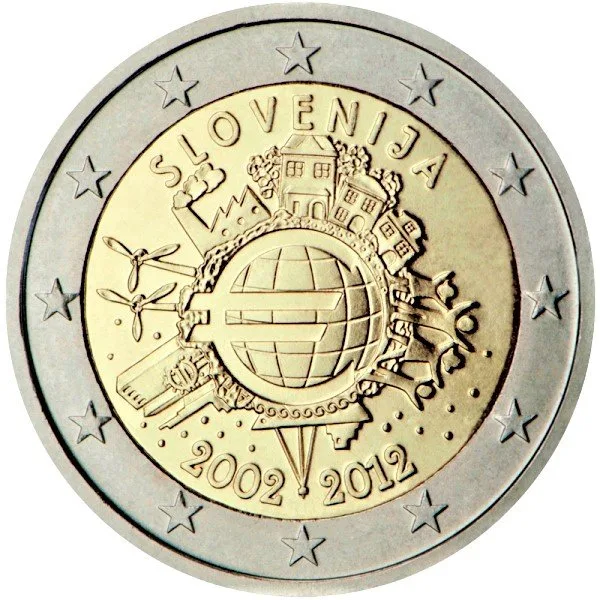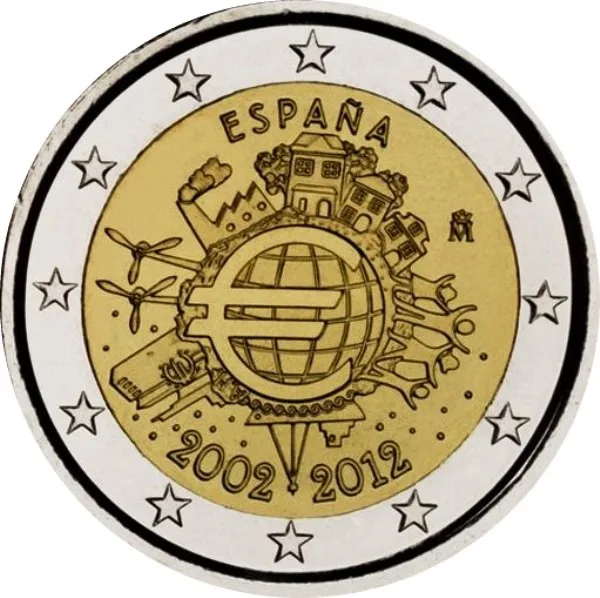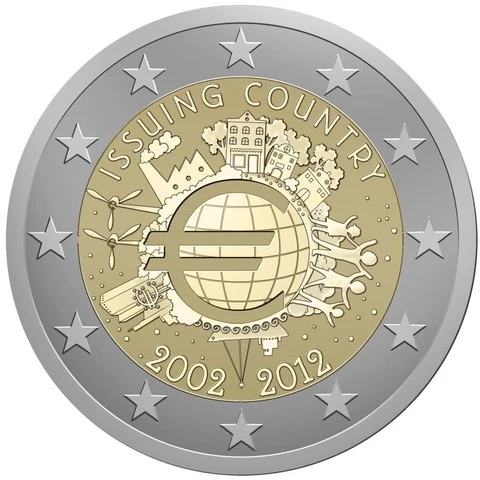
On 1 January 2002 the citizens of the eurozone put the new euro banknotes and coins in their wallets for the first time, and the single currency finally arrived in people’s everyday lives. This event marked the completion of one of the largest currency changeovers in world history. The 10th anniversary of the introduction of euro cash was celebrated in January 2012 with the third 2-euro joint issue of the eurozone. A total of 17 euro states took part in this collective emission. As a numismatic curiosity, the microstate of San Marino also issued a coin with the same design. Because San Marino is not an official member of the European Union, its issue does not legally count as part of the official joint issue; the winning design was nevertheless adopted voluntarily for the country’s national 2-euro commemorative coin.
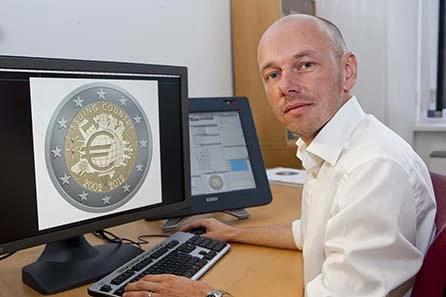
As with the previous joint issue, Europe’s citizens were again allowed to decide on the motif, and this time the EU went one step further: citizens and residents of the eurozone could submit their own designs in advance, from which a jury selected the five best proposals for the final online vote. Of the 34,611 votes cast in total, around 34 per cent went in the final online voting phase to the winning design by Helmut Andexlinger. The Austrian had entered the competition privately, but otherwise works as a professional engraver at the Austrian Mint. His multi-layered motif shows the euro sign at the centre of a globe, surrounded by elements such as ships, factories, wind turbines and houses, which symbolise the importance of the euro for the economy, for trade and for citizens. As this was again a cross-border commemorative coin, the familiar special rule remained in place, so all participating states were allowed to issue their own purely national 2-euro commemorative coin in 2012 in addition to this joint coin.